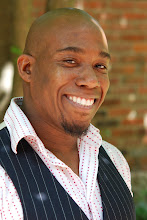
I tend to be the person who does not want to make small talk on a plane. I either want to eat my sandwich, do my Sudoku or simply fall asleep (or at least pretend to be sleeping so I don’t have to chit-chat about where I am going.) A friend recently told me that I should invest in a hat that says: Ask me about Jesus and also sport a t-shirt that says: Ask me about the devil. This would surely keep the “talkers” away and allow for some puzzle-solving, sandwich-eating peace.
So today, as I flew back to New York after singing for the opening of a new Hilton in Columbus and the last performance of the fall run of La Boheme for Opera Columbus, I encountered two talkers who wanted to know the usual. They seemed nice enough so I engaged them in conversation (doing more than my usual answer of questions in short spurts without returning the favor by inquiring about them.) I asked what they were doing and we chatted for several minutes about their kids, their travels and the like. When it got to my career, they seemed very impressed that I was an opera singer. They were very sweet. I realized that perhaps, I don’t have to be a sour puss and could actually be a charming, kind person. Just then the guy behind me tapped me on the shoulder and handed me a card. He turned out to be someone who worked in opera and handed me his card.
I started thinking that many times in life, we just stay to ourselves. We connect more with our phones and puzzles and in my case, food and forget that there is life happening all around us. My new roommate and I were talking about this phenomenon. She told me of something she heard recently where a girlfriend of hers mentioned that “...we are no longing going on line, but we are online.” We’ve become so engrossed in our own selves either through technology or books or other means and don’t realize that the art of talking/connecting with people face-to-face is a dying art.
So the moral of this tale is that through connecting with people, anything can happen. Had I remained quiet, I would have never learned anything about these lovely people or been given an opportunity that was literally sitting there waiting for me. So the next time you want to accomplish something, don’t just open up your laptop, open your eyes as the opportunity might be sitting next to you in the form of a stranger on a plane.
Peace,
Eric
Wednesday, November 21, 2012

Saturday, November 3, 2012
Opera: fresh, new and served up in an hour
I am in the midst of performances of an updated 1-hour version of La Bohème in English. The purpose of these performances is two-fold: 1) Opera Columbus is looking to reinvent itself and 2) Opera Columbus is looking to find a way to introduce people to opera in a streamlined, digestible and modern way.
This idea of taking a traditional opera and bringing it into an intimate setting is catching fire all over the country and many opera companies are redoing the classics stripping away the distance and bringing the opera closer to its (hopefully new) audience. I have always believed that for opera to survive it had to go two ways, more grandeur so as to compete with the likes of movies and music and also more intimate to make the entire experience less intimidating. The Met and other large companies have the resources to take care of the granduer, but smaller companies have had to find ways to bring operatic experiences to audiences on a smaller (and cheaper) scale. And like introducing someone to any new art form, education has to be the FIRST step. (Gets off of soapbox.)
In truth, there are people who might see an opera, but the perception of opera is skewed with visions of ladies in horns and large men with handkerchiefs (still.) On the flip side, people see Katherine Jenkins, Josh Groban and Andrea Boccelli and assume that they are top-tier opera singers and if they’ve attended one of their concerts then they feel as though they have experienced “opera.” This, of course, can make it tough to enlighten people about the reality of opera. But I see opera companies (new and old) becoming incredibly aggressive about connecting to audiences by offering something new and fresh alongside the traditional. It is breathing new life into the artform. Bringing people to the theater whether to see an hour-long intimate production in English or that same opera in its original grandeur, one must make it relatable.
There are purists who wish that people would just love opera as it is, but I had a revelation about why opera is a challenge for modern society: we live in a world where we can access information (and answers) at the drop of a hat. We are also living in a highly digital age. Opera demands that we listen and concentrate for an extended period of time. It also requires a certain level of critical thinking regarding what to listen for, how to process the story line and give one’s self over to the conventions of opera.
So, I am excited about this hour-long production meant to entice people to "try” opera. It allows people to experience the beauty of the operatic voice in a production that surrounds and envelops. It also has an immediacy that removes the language and distance barriers. Should every company do every opera this way? No. But should companies looking to draw people to an artform that spans hundreds of years find additional and creative ways to introduce it so that people will be more likely to attend a full-scale production? Yes!
Peace,
Eric
This idea of taking a traditional opera and bringing it into an intimate setting is catching fire all over the country and many opera companies are redoing the classics stripping away the distance and bringing the opera closer to its (hopefully new) audience. I have always believed that for opera to survive it had to go two ways, more grandeur so as to compete with the likes of movies and music and also more intimate to make the entire experience less intimidating. The Met and other large companies have the resources to take care of the granduer, but smaller companies have had to find ways to bring operatic experiences to audiences on a smaller (and cheaper) scale. And like introducing someone to any new art form, education has to be the FIRST step. (Gets off of soapbox.)
In truth, there are people who might see an opera, but the perception of opera is skewed with visions of ladies in horns and large men with handkerchiefs (still.) On the flip side, people see Katherine Jenkins, Josh Groban and Andrea Boccelli and assume that they are top-tier opera singers and if they’ve attended one of their concerts then they feel as though they have experienced “opera.” This, of course, can make it tough to enlighten people about the reality of opera. But I see opera companies (new and old) becoming incredibly aggressive about connecting to audiences by offering something new and fresh alongside the traditional. It is breathing new life into the artform. Bringing people to the theater whether to see an hour-long intimate production in English or that same opera in its original grandeur, one must make it relatable.
There are purists who wish that people would just love opera as it is, but I had a revelation about why opera is a challenge for modern society: we live in a world where we can access information (and answers) at the drop of a hat. We are also living in a highly digital age. Opera demands that we listen and concentrate for an extended period of time. It also requires a certain level of critical thinking regarding what to listen for, how to process the story line and give one’s self over to the conventions of opera.
So, I am excited about this hour-long production meant to entice people to "try” opera. It allows people to experience the beauty of the operatic voice in a production that surrounds and envelops. It also has an immediacy that removes the language and distance barriers. Should every company do every opera this way? No. But should companies looking to draw people to an artform that spans hundreds of years find additional and creative ways to introduce it so that people will be more likely to attend a full-scale production? Yes!
Peace,
Eric
Thursday, October 18, 2012
Take it to heart
One of the most fascinating components about opera is that no matter the language, the composer or the story, all of the emotional content contained within comes at a heightened state. If the character is joyful, not only does the text reflect it, but the music finds a way to tell the audience that the character is happy. In truth, they are filled with intense joy or could literally die from bliss. In turn, if a character is sad, then that sadness is guaranteed to be so deep that it can bring the audience to the brink of tears. If two characters are in love, then not only will they sing about it for ten minutes (or more), but it is the epitome of the greatest love ever.
Being an opera singer we must not only sing well, but connect with each character’s emotional state. In the last few months I have sung a Barber who loves the life he leads of uniting lovers and being the general factotum, a Toreador who falls for a gypsy, but also loves himself quite a bit and currently a starving artist painter who has a fantastic, yet highly dysfunctional relationship with his on-again, off-again girlfriend. I have always found comedy much easier to play because I am by nature a silly person and that tends to be the side that I am most comfortable showing to people. I find playing dramatic situations much more difficult because it is exposing one’s self in a vulnerable way. Comedy is about beats and build-up, contrasts and not being afraid to look foolish. In a way, I can immerse myself in the character while at the same time bring myself to the surface. Drama is the same, but showing that side of myself is still a challenge. However, the great thing is that this season is filled with roles that dare me to go to those very real, bare places and really connect.
During one our final rehearsals for La Bohème, we were going through Act III, the highly charged emotional scene where Mimi and Rodolfo decide to reunite even though she has just discovered she is dying. In the same scene, Musetta and Marcello are having a knockdown, drag-out fight and decide to go their separate ways. It is an incredible scene filled with grand passion and grand hostility. The soprano singing Mimi was in the middle of the scene and had to stop as she had “crossed over” into the place where it became quite real and she started crying. An actor reciting lines can keep going, but it is rare that a singer can keep performing when deep emotions and tears begin to surface. We stopped and took a break, but when we started the scene again, I heard a difference in her voice. Something had opened up and her sound became fuller, richer, and more beautiful. What followed then was something I wish I could find every single time I perform. The scene between Musetta and Marcello connected to a level of intensity we had never had. (Clarification: This is not to say that we didn’t have chemistry, but this was deeper and it was almost dangerous and exciting.) It gave us a chance to see how far we could go. Flirting with such emotional rawness felt exhilarating and I knew in that moment that I wanted to go to this place over and over again.
Drama, for me, means delving into emotional truths that help me understand a man who is incredibly vain, has dealt with betrayal in a relationship and who has felt the loss of someone close to them. As someone who tries to maintain a great outlook on life and be happy in every moment, it has proven to be a fascinating journey into past pain, feelings and memories to cross the bridge from myself and meet the slew of operatic men I am to portray. Many are dealing with issues ranging from the loss of love, a fugitive on the run or one who must deliver soul-crushing news. Some would say I am have that touch of the dramatic in me so it should be easy to access, but I know that to do real justice to the dramatic side, one must burrow through the gunk of our pasts and not only feel comfortable enough to show it to an audience, but do it all the while singing at a high emotional state.
Audiences of the past want the greatest possible vocal performance, while new audiences demand truth and realism. As a 21st century opera singer, I am faced with trying to sing at the highest technical level possible while also giving the audience 100% of the expressive nature of the character. Each singer must remain in two moments (vocal and dramatic) that when married, proves the extraordinary power of opera. Back to the practice room!
Peace,
Eric
Being an opera singer we must not only sing well, but connect with each character’s emotional state. In the last few months I have sung a Barber who loves the life he leads of uniting lovers and being the general factotum, a Toreador who falls for a gypsy, but also loves himself quite a bit and currently a starving artist painter who has a fantastic, yet highly dysfunctional relationship with his on-again, off-again girlfriend. I have always found comedy much easier to play because I am by nature a silly person and that tends to be the side that I am most comfortable showing to people. I find playing dramatic situations much more difficult because it is exposing one’s self in a vulnerable way. Comedy is about beats and build-up, contrasts and not being afraid to look foolish. In a way, I can immerse myself in the character while at the same time bring myself to the surface. Drama is the same, but showing that side of myself is still a challenge. However, the great thing is that this season is filled with roles that dare me to go to those very real, bare places and really connect.
During one our final rehearsals for La Bohème, we were going through Act III, the highly charged emotional scene where Mimi and Rodolfo decide to reunite even though she has just discovered she is dying. In the same scene, Musetta and Marcello are having a knockdown, drag-out fight and decide to go their separate ways. It is an incredible scene filled with grand passion and grand hostility. The soprano singing Mimi was in the middle of the scene and had to stop as she had “crossed over” into the place where it became quite real and she started crying. An actor reciting lines can keep going, but it is rare that a singer can keep performing when deep emotions and tears begin to surface. We stopped and took a break, but when we started the scene again, I heard a difference in her voice. Something had opened up and her sound became fuller, richer, and more beautiful. What followed then was something I wish I could find every single time I perform. The scene between Musetta and Marcello connected to a level of intensity we had never had. (Clarification: This is not to say that we didn’t have chemistry, but this was deeper and it was almost dangerous and exciting.) It gave us a chance to see how far we could go. Flirting with such emotional rawness felt exhilarating and I knew in that moment that I wanted to go to this place over and over again.
Drama, for me, means delving into emotional truths that help me understand a man who is incredibly vain, has dealt with betrayal in a relationship and who has felt the loss of someone close to them. As someone who tries to maintain a great outlook on life and be happy in every moment, it has proven to be a fascinating journey into past pain, feelings and memories to cross the bridge from myself and meet the slew of operatic men I am to portray. Many are dealing with issues ranging from the loss of love, a fugitive on the run or one who must deliver soul-crushing news. Some would say I am have that touch of the dramatic in me so it should be easy to access, but I know that to do real justice to the dramatic side, one must burrow through the gunk of our pasts and not only feel comfortable enough to show it to an audience, but do it all the while singing at a high emotional state.
Audiences of the past want the greatest possible vocal performance, while new audiences demand truth and realism. As a 21st century opera singer, I am faced with trying to sing at the highest technical level possible while also giving the audience 100% of the expressive nature of the character. Each singer must remain in two moments (vocal and dramatic) that when married, proves the extraordinary power of opera. Back to the practice room!
Peace,
Eric
Thursday, October 11, 2012
And I'm worth it
I know some wonderful people. Many of them know me as “an artist.” But many of them have no idea exactly what I do as an opera singer. Many of them think it is cool, some think it’s interesting and others are not sure what to think, but often ask me what “play” I am working on.
I often get asked to burst into impromptu “opera” by folks looking to impress someone. After returning to singing full-time I made a rule that I would no longer sing at someone’s birthday party, in a restaurant or on the spot because 1) It made me feel like “the help” and I couldn’t relax and just enjoy myself and 2) I value the years of training and expense that it has taken to become an opera singer and I don’t think someone can experience the real “voice” unless they see me in my full element (a performance.) This is not to say that if someone influential asked me to burst into song that I wouldn’t. I am always looking for work! But just being the “party trick” does not serve me as an artist. No one would ever ask a visual artist to just “draw something to take home” or a podiatrist to “look at my feet for a hot second.” So why is it that musicians (singers especially) are always asked to stop, drop and sing?
There was a recent article about musicians that went unpaid by the London Organizing Committee of the Olympic and Paralympic games in the Huffington Post:
http://www.huffingtonpost.com/2012/07/30/london-olympics-musicians_n_1719850.html
In the article, the Musician’s Union of the UK states that the Committee repeatedly sent emails to professional musicians saying: “Would you like to play? We haven’t got a budget for it, but it would be great exposure to you.” This is interesting in that the article also states that headlining artists saw an increase in their music sales, but other musicians saw no compensation from “exposure” especially since their names were nowhere to be found on television or online. And by the way, “exposure” does not pay the bills.
Please understand, I love what I do and on rare occasion I will sing for free. However, I don’t want it to be an expectation and I also know what it “costs” me every time I sing. The people who ask for a show on the spot, have no idea of the hours spent in the practice room trying to line up the voice or learn how to sing a good “ah” vowel. They don’t see the process; just simply want a sample of the product. I get it. They also don’t understand that like an athlete, there is a warm-up process that needs to happen and if you are sitting at a table enjoying a meal and a glass of wine, the last thing you want to think about is if you’ve got phlegm on your cords.
Because I take what I do to be so ingrained into my own self, I have had to develop a sense of what I have to offer and its worth. Yes, there are tons of singers out there and yes, there are some performance opportunities that one takes on because it feeds your artistic soul more than your belly, but as someone in business for themselves, the product (our talent) has to be nurtured and cared for. It is how I make my living and having someone want to hear it is flattering, but I now tell them, it will be much more impressive if you hear me in performance because you will get a real understanding of what I do. And, I think, a better understanding of the artform as a whole and that what I do is just a part.
Ultimately each artist much decide what they will do and for how much. We all are striving to make a living doing what we love and we should love it enough that it’s all we think about doing for our careers. Many professionals do things pro bono because they believe in giving back and I agree that there are times when I can do that (and have). But I also know that just like every professional who has gone to school, trained, mastered and sacrificed, the thought of someone trivializing what you are passionate about can be frustrating.
So “no” I will not sing at your birthday, bar-mitzvah, wedding, graduation soiree, son’s first poo-party or any other event for free. However, if you are interested in contracting me for something, you can contact me via my website: www.ericmckeeverbaritone.com. Just like the person you hire to create a spectacular event or design a kick-ass website, our time and talent have a worth and if you want to experience it, plunk down the cash and get your money’s worth in a fantastic performance.
Peace,
Eric
I often get asked to burst into impromptu “opera” by folks looking to impress someone. After returning to singing full-time I made a rule that I would no longer sing at someone’s birthday party, in a restaurant or on the spot because 1) It made me feel like “the help” and I couldn’t relax and just enjoy myself and 2) I value the years of training and expense that it has taken to become an opera singer and I don’t think someone can experience the real “voice” unless they see me in my full element (a performance.) This is not to say that if someone influential asked me to burst into song that I wouldn’t. I am always looking for work! But just being the “party trick” does not serve me as an artist. No one would ever ask a visual artist to just “draw something to take home” or a podiatrist to “look at my feet for a hot second.” So why is it that musicians (singers especially) are always asked to stop, drop and sing?
There was a recent article about musicians that went unpaid by the London Organizing Committee of the Olympic and Paralympic games in the Huffington Post:
http://www.huffingtonpost.com/2012/07/30/london-olympics-musicians_n_1719850.html
In the article, the Musician’s Union of the UK states that the Committee repeatedly sent emails to professional musicians saying: “Would you like to play? We haven’t got a budget for it, but it would be great exposure to you.” This is interesting in that the article also states that headlining artists saw an increase in their music sales, but other musicians saw no compensation from “exposure” especially since their names were nowhere to be found on television or online. And by the way, “exposure” does not pay the bills.
Please understand, I love what I do and on rare occasion I will sing for free. However, I don’t want it to be an expectation and I also know what it “costs” me every time I sing. The people who ask for a show on the spot, have no idea of the hours spent in the practice room trying to line up the voice or learn how to sing a good “ah” vowel. They don’t see the process; just simply want a sample of the product. I get it. They also don’t understand that like an athlete, there is a warm-up process that needs to happen and if you are sitting at a table enjoying a meal and a glass of wine, the last thing you want to think about is if you’ve got phlegm on your cords.
Because I take what I do to be so ingrained into my own self, I have had to develop a sense of what I have to offer and its worth. Yes, there are tons of singers out there and yes, there are some performance opportunities that one takes on because it feeds your artistic soul more than your belly, but as someone in business for themselves, the product (our talent) has to be nurtured and cared for. It is how I make my living and having someone want to hear it is flattering, but I now tell them, it will be much more impressive if you hear me in performance because you will get a real understanding of what I do. And, I think, a better understanding of the artform as a whole and that what I do is just a part.
Ultimately each artist much decide what they will do and for how much. We all are striving to make a living doing what we love and we should love it enough that it’s all we think about doing for our careers. Many professionals do things pro bono because they believe in giving back and I agree that there are times when I can do that (and have). But I also know that just like every professional who has gone to school, trained, mastered and sacrificed, the thought of someone trivializing what you are passionate about can be frustrating.
So “no” I will not sing at your birthday, bar-mitzvah, wedding, graduation soiree, son’s first poo-party or any other event for free. However, if you are interested in contracting me for something, you can contact me via my website: www.ericmckeeverbaritone.com. Just like the person you hire to create a spectacular event or design a kick-ass website, our time and talent have a worth and if you want to experience it, plunk down the cash and get your money’s worth in a fantastic performance.
Peace,
Eric
Thursday, October 4, 2012
Transitions
In about a month, I am making the move to NYC. I am feeling all the things one expects to feel about picking up one’s life and going to the Big Apple: excitement about the energy of that city, fear that it will bring about unexpected struggles, joy that I am not having anxiety-ridden dreams that cause sleepless nights and most importantly a sense of calm, that somehow, all of this is going to not only work out, but will work out well.
I am currently in rehearsals with Opera Columbus who is doing a hip, updated, intimate production of La Bohème . The opera is one of the most-loved operas by audiences, but it also holds a special place in the heart of any opera singer who KNOWS the ins and outs of being a “starving artist.” A few years ago, I adopted the phrase “No longer a starving artist, but a successful creative.” I really liked the idea of being a successful creative and was fortunate enough to be surrounded by graphic designers, freelance artists and those who owned their own businesses that sold creativity to others. It showed me that not only was it possible, but that one could be very successful doing so. Still, something in me decided it was safer to give up singing and move into the administrative side of opera. I was working in the field and was doing well, but there was a longing for that creativity. Being the all or nothing person that I am, I auditioned for the National Tour of Porgy and Bess (the operatic version, not the current musical theater version that should be coming to a theater near you soon) and I got offered a role. I had to make a decision: go for it and hope that once the tour was over there would be other opportunities or stay in my current job and just sing locally in order to fulfill my need to perform.
It’s something that many singers who are not based in NYC go through. There is a need for security, routine and most importantly, money! I only had a few days to make a decision and I thought to myself, what would make me the happiest. I didn’t think about being rational as I had been rational for the last few years and I wasn’t really happy. So I decided to go for it. The tour was a wonderful and well-paying opportunity. I believed that somehow other things would come and while they did, the few months after that were EXTREMELY difficult. I almost gave up (and that was living in Columbus.)
Cut to three years later and I am fortunate that I am working quite a bit with engagements all over the country, but financially it can still be tough. I have to do everything from cater work, temping and improv murder mysteries (which I really enjoy!) to supplement the opera/concert work. There is something extremely liberating and terrifying about being self-employed. I celebrate each job I get and love depositing each check that I earn knowing that I did it (with the help of a lot of other people!) And yet, what kind of person does it take to truly become a full-time working singer? There are two kinds:
1) The singer who has an extraordinary gift and has “it” who goes from school to major Young Artist Program, to agent to mainstage work all over the globe in a short amount of time
2) The rest of us who have to sing, teach, act, temp, wait upon, nanny, write, read and do everything we can to simply survive. And yet, we love every minute of it because we are listening to our higher self that is telling us that this is what we are supposed to do.
I am fortunate enough to know many singers who, like me, are also in transition. Some are transitioning for the scholastic world into young professional, some are transitioning from years of singing with every small house in the US to careers at the MET, some are transitioning from pursuing the career to moving into another phase of their life by getting married, having children or finding work in another field (even the other side of the operatic table), while still some, like me, are just beginning to build momentum and can see new opportunities around every corner.
We all study singing because we have a love for making music (or for some, they want to be the center of attention in the most heightened state possible.) Depending on where you go to school, you may also get a crash course in the business of opera, how to be the CEO of Your Name, Inc and if you are lucky, build enough contacts that once you graduate, you move right up to the A-list of operatic opportunities. But no matter who you are or where you come from, every singer faces the same question: At what point do I stop being a (insert job here that pays the bills) to a full-time singer? Does the work have to come first or does one have to pursue the work in order for it come? For me, it was getting that one role in the tour that told me that this was the right decision to be a full-time singer. Since then, it has been a series of ups and downs, a mixture of artistic triumphs and personal frustration all the while trying to remember the philosophy of being “a successful creative.”
So to remind myself every day that being an opera singer is my job, I have embraced all the elements of being an opera singer. Of course, being the most prepared I can be musically and dramatically, using all the resources I have to audition for anyone who will hear me, working so I can afford to audition for anyone who will hear me, having a team of people who advise, support and tell me the truth, buying into the social media of being an opera singer, creating programming in order to give myself one more option to perform, being a great colleague because you never know when one of those folks will get you a gig, working harder than what you are getting paid for because it means that you value your work more than you value the check, spending every moment that I can focusing on getting work and doing great work and finally loving it and being grateful for it. We often forget that we are lucky every time we get a singing job because there are those that did NOT get hired. I think of them every time I am tired, grumpy because I have to sing before 10 am, when I have long days, when I have rehearsals that seem pointless, when my colleagues are unprepared, or when I just want to skip a day of singing. I think, just like my mom who paid thousands of dollars for me to go to school and who worked countless overtime just so I could pursue my dream, that I need to think of my life as the “artiste” as one of a 9-5 (or more my case 8 to whenever I get my list of things I want to do accomplished) and know that I am not just the CEO of Eric McKeever, Inc, but also the brand itself which means that I have to be savvy enough to survive the business of opera, but also be someone whose brand (talent, preparation, dramatic skills, etc…) set me apart from the rest of the market.
Thinking back to my days in the conservatory when I was just trying to figure out how to sing the E-flat above middle C without going into falsetto, I marvel at the journey I have taken. I learned to sing in undergrad, learned to sing and act together in grad school, became a professional singer almost by accident, made my rounds in nearly every YAP in the Midwest and beyond, stepped away, wandered for a year, got into the administrative side of opera and finally “found myself” and have been doing what I believe has always been my calling. The one difference from years before is that I believe I deserve it and am ready for it. I know that had I not stepped away, I would have never found the love again, so for me each transition has been a necessary step in becoming the singer I am today.
I look forward to the next transition of singing leading roles with major companies around the world. I will still work very hard to maintain the humility of a student with the ferocious curiosity of an artist because with each transition, I have actually moved closer to the real me and not the” me” that others want me to be.
Peace,
Eric
I am currently in rehearsals with Opera Columbus who is doing a hip, updated, intimate production of La Bohème . The opera is one of the most-loved operas by audiences, but it also holds a special place in the heart of any opera singer who KNOWS the ins and outs of being a “starving artist.” A few years ago, I adopted the phrase “No longer a starving artist, but a successful creative.” I really liked the idea of being a successful creative and was fortunate enough to be surrounded by graphic designers, freelance artists and those who owned their own businesses that sold creativity to others. It showed me that not only was it possible, but that one could be very successful doing so. Still, something in me decided it was safer to give up singing and move into the administrative side of opera. I was working in the field and was doing well, but there was a longing for that creativity. Being the all or nothing person that I am, I auditioned for the National Tour of Porgy and Bess (the operatic version, not the current musical theater version that should be coming to a theater near you soon) and I got offered a role. I had to make a decision: go for it and hope that once the tour was over there would be other opportunities or stay in my current job and just sing locally in order to fulfill my need to perform.
It’s something that many singers who are not based in NYC go through. There is a need for security, routine and most importantly, money! I only had a few days to make a decision and I thought to myself, what would make me the happiest. I didn’t think about being rational as I had been rational for the last few years and I wasn’t really happy. So I decided to go for it. The tour was a wonderful and well-paying opportunity. I believed that somehow other things would come and while they did, the few months after that were EXTREMELY difficult. I almost gave up (and that was living in Columbus.)
Cut to three years later and I am fortunate that I am working quite a bit with engagements all over the country, but financially it can still be tough. I have to do everything from cater work, temping and improv murder mysteries (which I really enjoy!) to supplement the opera/concert work. There is something extremely liberating and terrifying about being self-employed. I celebrate each job I get and love depositing each check that I earn knowing that I did it (with the help of a lot of other people!) And yet, what kind of person does it take to truly become a full-time working singer? There are two kinds:
1) The singer who has an extraordinary gift and has “it” who goes from school to major Young Artist Program, to agent to mainstage work all over the globe in a short amount of time
2) The rest of us who have to sing, teach, act, temp, wait upon, nanny, write, read and do everything we can to simply survive. And yet, we love every minute of it because we are listening to our higher self that is telling us that this is what we are supposed to do.
I am fortunate enough to know many singers who, like me, are also in transition. Some are transitioning for the scholastic world into young professional, some are transitioning from years of singing with every small house in the US to careers at the MET, some are transitioning from pursuing the career to moving into another phase of their life by getting married, having children or finding work in another field (even the other side of the operatic table), while still some, like me, are just beginning to build momentum and can see new opportunities around every corner.
We all study singing because we have a love for making music (or for some, they want to be the center of attention in the most heightened state possible.) Depending on where you go to school, you may also get a crash course in the business of opera, how to be the CEO of Your Name, Inc and if you are lucky, build enough contacts that once you graduate, you move right up to the A-list of operatic opportunities. But no matter who you are or where you come from, every singer faces the same question: At what point do I stop being a (insert job here that pays the bills) to a full-time singer? Does the work have to come first or does one have to pursue the work in order for it come? For me, it was getting that one role in the tour that told me that this was the right decision to be a full-time singer. Since then, it has been a series of ups and downs, a mixture of artistic triumphs and personal frustration all the while trying to remember the philosophy of being “a successful creative.”
So to remind myself every day that being an opera singer is my job, I have embraced all the elements of being an opera singer. Of course, being the most prepared I can be musically and dramatically, using all the resources I have to audition for anyone who will hear me, working so I can afford to audition for anyone who will hear me, having a team of people who advise, support and tell me the truth, buying into the social media of being an opera singer, creating programming in order to give myself one more option to perform, being a great colleague because you never know when one of those folks will get you a gig, working harder than what you are getting paid for because it means that you value your work more than you value the check, spending every moment that I can focusing on getting work and doing great work and finally loving it and being grateful for it. We often forget that we are lucky every time we get a singing job because there are those that did NOT get hired. I think of them every time I am tired, grumpy because I have to sing before 10 am, when I have long days, when I have rehearsals that seem pointless, when my colleagues are unprepared, or when I just want to skip a day of singing. I think, just like my mom who paid thousands of dollars for me to go to school and who worked countless overtime just so I could pursue my dream, that I need to think of my life as the “artiste” as one of a 9-5 (or more my case 8 to whenever I get my list of things I want to do accomplished) and know that I am not just the CEO of Eric McKeever, Inc, but also the brand itself which means that I have to be savvy enough to survive the business of opera, but also be someone whose brand (talent, preparation, dramatic skills, etc…) set me apart from the rest of the market.
Thinking back to my days in the conservatory when I was just trying to figure out how to sing the E-flat above middle C without going into falsetto, I marvel at the journey I have taken. I learned to sing in undergrad, learned to sing and act together in grad school, became a professional singer almost by accident, made my rounds in nearly every YAP in the Midwest and beyond, stepped away, wandered for a year, got into the administrative side of opera and finally “found myself” and have been doing what I believe has always been my calling. The one difference from years before is that I believe I deserve it and am ready for it. I know that had I not stepped away, I would have never found the love again, so for me each transition has been a necessary step in becoming the singer I am today.
I look forward to the next transition of singing leading roles with major companies around the world. I will still work very hard to maintain the humility of a student with the ferocious curiosity of an artist because with each transition, I have actually moved closer to the real me and not the” me” that others want me to be.
Peace,
Eric
Monday, September 24, 2012
2012-2013: Bizet, Britten, Rossini and more!
Each September opera companies begin a new season enticing audiences into the theater with either standard operatic fare or a new production featuring some of the best singers around. I am happy to report that I am in full swing of what promises to be a whirlwind of a season filled with company debuts and new roles!
In September I made my debut with Long Island Opera in a wonderful production of Carmen featuring some great singers. Singing Escamillo was a fantastic challenge as the role needs a great deal of vocal and physical swagger. With a stupendous cast and directing/coaching staff, I was able to bring the Toreador to vivid life and even have a great time singing, jumping and fighting my way through this great part.
I am now in the midst of rehearsals for a unique production of La bohème that will be in English and presented in a cabaret format with updated references. The goal of the production is to introduce new audiences to opera in an accessible format and what better story than the starving artists of Paris who fall in and out of love and face life with a care-free lifestyle? I am looking forward to this production as I get to work with some old colleagues from grad school who are now out and about making a name for themselves.
January brings a new role and a role debut with Bronx Opera. Rossini is one of my favorite composers and any chance I get to sing his music brings a smile to my face. His fantastic opera, La Gazza Ladra (The Thieving Magpie) tells the story a young servant named Ninetta who is accused of stealing until it is revealed that a magpie is taking everything. I will play the role of Ninetta’s father, Fernando and am looking forward to learning this role filled with Rossini’s brilliant vocal writing.
I jump forward to the 20th century in February as I make my Opera Naples debut in their production of Benjamin Britten’s A Midsummer Night’s Dream singing Theseus, Duke of Athens. I have had some wonderful Britten experiences having sun his cantata “Rejoice in the Lamb” and Sid in Albert Herring in college. Shakespeare experts Cecil Mackinnon and Philip Watson will bring this production to the stage and I look forward to being part of this enchanted world so well captured by Shakespeare and Britten.
On my way back to Columbus after singing in Long Island Opera’s Carmen, I made a stop in Harrisburg, PA to audition for Harrisburg Symphony Orchestra Artistic Director Stuart Malina. Four arias later, an offer was made and I am excited to say that I will be singing Marquis D’Obigny in their upcoming concert version of La Traviata in March.
In May and June I will return to one of my favorite companies, St. Petersburg Opera to sing a new role, the Music Teacher in Richard Strauss’ Ariadne auf Naxos. My first professional role was as the Cappadocian in Strauss’ Salome and since then, I have been a huge fan. The role will be another great challenge as it is mostly recitative in style (quick sung text that is more speech-like and quite rhythmic in nature) and is littered with a mouthful of German. I have already begun my study of this role as I want to give myself ample time to learn it.
It’s hard to believe that summer is over and that fall has fallen and I have already started a new season, but in the fast-paced world of opera, there is always a new role to learn (and quickly), auditions for future seasons and the joy of discovery as a role begins to fit the voice and personality like a glove.
Peace,
Eric McKeever
In September I made my debut with Long Island Opera in a wonderful production of Carmen featuring some great singers. Singing Escamillo was a fantastic challenge as the role needs a great deal of vocal and physical swagger. With a stupendous cast and directing/coaching staff, I was able to bring the Toreador to vivid life and even have a great time singing, jumping and fighting my way through this great part.
I am now in the midst of rehearsals for a unique production of La bohème that will be in English and presented in a cabaret format with updated references. The goal of the production is to introduce new audiences to opera in an accessible format and what better story than the starving artists of Paris who fall in and out of love and face life with a care-free lifestyle? I am looking forward to this production as I get to work with some old colleagues from grad school who are now out and about making a name for themselves.
January brings a new role and a role debut with Bronx Opera. Rossini is one of my favorite composers and any chance I get to sing his music brings a smile to my face. His fantastic opera, La Gazza Ladra (The Thieving Magpie) tells the story a young servant named Ninetta who is accused of stealing until it is revealed that a magpie is taking everything. I will play the role of Ninetta’s father, Fernando and am looking forward to learning this role filled with Rossini’s brilliant vocal writing.
I jump forward to the 20th century in February as I make my Opera Naples debut in their production of Benjamin Britten’s A Midsummer Night’s Dream singing Theseus, Duke of Athens. I have had some wonderful Britten experiences having sun his cantata “Rejoice in the Lamb” and Sid in Albert Herring in college. Shakespeare experts Cecil Mackinnon and Philip Watson will bring this production to the stage and I look forward to being part of this enchanted world so well captured by Shakespeare and Britten.
On my way back to Columbus after singing in Long Island Opera’s Carmen, I made a stop in Harrisburg, PA to audition for Harrisburg Symphony Orchestra Artistic Director Stuart Malina. Four arias later, an offer was made and I am excited to say that I will be singing Marquis D’Obigny in their upcoming concert version of La Traviata in March.
In May and June I will return to one of my favorite companies, St. Petersburg Opera to sing a new role, the Music Teacher in Richard Strauss’ Ariadne auf Naxos. My first professional role was as the Cappadocian in Strauss’ Salome and since then, I have been a huge fan. The role will be another great challenge as it is mostly recitative in style (quick sung text that is more speech-like and quite rhythmic in nature) and is littered with a mouthful of German. I have already begun my study of this role as I want to give myself ample time to learn it.
It’s hard to believe that summer is over and that fall has fallen and I have already started a new season, but in the fast-paced world of opera, there is always a new role to learn (and quickly), auditions for future seasons and the joy of discovery as a role begins to fit the voice and personality like a glove.
Peace,
Eric McKeever
Wednesday, September 12, 2012
Essaying Escamillo Part Deux
I am into the final week of rehearsals with Carmen and I am excited to report that I am feeling Escamillo! The superb French coach Anne-Julia Audray has been an invaluable resource not only on the language, but also the character of Escamillo and the music of Bizet. She, along with the wonderful stage director, Karen Fawcett and the fantastic musical director, Fábio Bezuti, are helping me to fine-tune all the elements of Escamillo. It is a fantastic masterclass in this opera. Several years ago I sang Morales and thought I knew the work well, but the “secrets” that they are sharing with me have made getting under Escamillo’s skin a truly joyful journey.
That’s not to say that it has been an easy road. Combining his vocal prowess and physical machismo have been a process and every time I get something right, there is something new for me to work on. However, I feel close to nailing this guy who oozes swagger. I had my costume fitting and had a chance to work in the clothes and let me just say that there is nothing like a tight shirt and pants, jacket and a great cape to make you WANT to be a hot toreador! So far, the role requires me to jump, swing my cape, fight and move with a mixture of sharp precision and a suave fluidity. In addition to his physical movement, giving Escamillo a permanent sneer, all the while smiling and being so confident in not only his skills as a bullfighter, but as a sexy man, makes me not only want to embody him onstage, but in real life!
One of the best rules in opera is fake it, until you make it. I have been trying to get into the head and heart of Escamillo and have had to deal with my own doubt about my abilities to bring him to life. I know every performer goes through this feeling of “can I do this?” Perhaps I have been “trying” to hard and not just being. I now know it’s a mental game with this character. I have all the goods, I just have to believe I can do it and do it well. I am now aiming less for a perfect performance and more for a real, alive and fun one. Last night in rehearsal I had several moments of abandon where I just WAS Escamillo. I still want to get everything “right,” but more than that I want to give the audience a fantastic glimpse into the life of a charismatic man who sings some great music and has an incredible time onstage. En garde!
Peace,
Eric
That’s not to say that it has been an easy road. Combining his vocal prowess and physical machismo have been a process and every time I get something right, there is something new for me to work on. However, I feel close to nailing this guy who oozes swagger. I had my costume fitting and had a chance to work in the clothes and let me just say that there is nothing like a tight shirt and pants, jacket and a great cape to make you WANT to be a hot toreador! So far, the role requires me to jump, swing my cape, fight and move with a mixture of sharp precision and a suave fluidity. In addition to his physical movement, giving Escamillo a permanent sneer, all the while smiling and being so confident in not only his skills as a bullfighter, but as a sexy man, makes me not only want to embody him onstage, but in real life!
One of the best rules in opera is fake it, until you make it. I have been trying to get into the head and heart of Escamillo and have had to deal with my own doubt about my abilities to bring him to life. I know every performer goes through this feeling of “can I do this?” Perhaps I have been “trying” to hard and not just being. I now know it’s a mental game with this character. I have all the goods, I just have to believe I can do it and do it well. I am now aiming less for a perfect performance and more for a real, alive and fun one. Last night in rehearsal I had several moments of abandon where I just WAS Escamillo. I still want to get everything “right,” but more than that I want to give the audience a fantastic glimpse into the life of a charismatic man who sings some great music and has an incredible time onstage. En garde!
Peace,
Eric
Subscribe to:
Posts (Atom)