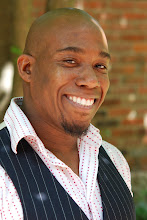
Every opera engagement is an opportunity to make music. Making music is what we’ve worked so hard to achieve and when I am in the process of making music I find that, at least for me, I connect with something far greater than myself. I love when the stars align and you get to perform amazing music with great colleagues in a wonderful theater. The amount of time and energy we all invest is immeasurable, and yet, when we are on that stage, in the moment, it seems like the world is perfect.
I am writing this, because I needed to remind myself of those moments. I have been VERY blessed to be part of some very special productions and while they may not seem that memorable to others, they are tucked away in my heart constantly whispering to me as a gentle reminder of why I have sacrificed so much. It also reminds me that I am truly lucky to have those experiences. So, in the spirit of gratitude, I am acknowledging several things that have been in my heart and that I’ve wanted to express.
Today I thank all those who have hired me. There are thousands of choices out there and while I always believe I am the best person for the job in many instances, I know that selecting just one person can be one of the most difficult decisions those who cast can make. So to all of you who said “yes.” I say, “thanks!” I also want to thank those of you who said “no.” I realize that not everyone is going to love my talent, but I have decided to take each “no” as a “no, but keep working because you are great” or a “no, we love the voice, but we’ve decided to go in a different physical direction,” or “no, it’s not you, it’s us.” Whatever the reason for the “no,” I still am grateful because I was heard and if I am proud of my work, then I am doing well. Truth be told, it does take me several days to get beyond the initial sting of the “no.” But every artist hears it, even the greatest ones, so in truth, I am in pretty good company.
Today I am grateful for the wonderful, generous, and hilarious artists with whom I’ve had the pleasure of sharing the stage. Many of you inspire me whether it is your perfectly beautiful voice, your phenomenal acting, or your miraculous ability to light up a room with your personality. (I have been fortunate to work with folks who have all these elements in place!) I also thank those of you who have been kind enough to encourage what I am doing onstage or off and for those who, intentionally or unintentionally, have taught me more about myself. These people can seem like our worst enemy, but in truth often give up valuable insight into who we are as people, what we stand for, and what we believe about our art. To you all, I say a hearty thanks!
I want to show gratitude to the fantastic composers who have written such magnificent masterpieces that have stood the test of time. Beyond the spectacular music, are rich and interesting characters making unwise, unwitting and unwelcome decisions. But really, who wants to see a full-length opera where all the characters make good choices for four hours? I thank you all for your pleasures, your pains and most of all, your humanity. I find it cathartic to work through many of my own “things” through these great operas which range from romantic, bel canto, grand opera, verismo and contemporary.
Finally, I am grateful for the love and support of my husband, my family and friends and you, dear readers, who have been on this journey with me over the last few years. After writing about being back in the game for the last few years, I am now going to focus on changing the game. After taking six years off and being back for a little over five, I am no longer the Kimmy Schmidt who came out of the bunker trying to acclimate, but the Kimmy Schmidt who is surviving and finding that I am truly unbreakable!
But in the spirit of my last post "Evolution," I am going to move in a new direction. Know that I have a wonderful new concept in the works and I hope you, dear reader, will follow me as I launch Five Questions with Eric set to make its debut in the fall!
Peace,
Eric
Tuesday, May 19, 2015

Tuesday, April 7, 2015
Evolution
It all began with one of the Twenty-Four Italian Songs and Arias: “Gia il sole dal gange.” There I was, a freshman singing in front of a bunch of strangers, in a foreign language and in a “new” voice that I barely understood. It was, needless to say, not my best moment. However, sitting in that audience were two people who would have a strong influence on my current career; one a future voice teacher and the other, a singer/stage director, turned General Director for an opera company. Cut to the present where, thanks to that General Director, William Florescu, who was one of those audience members, I recently made my Florentine Opera debut.
A lot has transpired since my undergraduate days where I barely even understood the mechanics of my voice to where I an now. I work extremely hard to be a solid technician, to enhance the language and to craft a believable, yet interesting character. All of this while trying to remain sane in my “real” life. (Or is my real life the stage and my dream life at home where I can just “be?” A blog for another time.)
I have always felt like I was playing “catch-up” in regards to other singers. I didn’t start voice lessons until I was eighteen. I had to learn the basics of breath support, legato, diction and that all elusive “placement” while trying to figure out who I was. I spent a great deal of time during my undergrad, searching for answers, but not always in the classroom. Once I got to grad school, I thought I had a good handle on my voice, but I soon found out that there were so many other items to contend with. I heard that my voice was too this, not enough of that, my languages were not this, or my legato was not that, etc…I also felt, for the first time, what “competition” really was and that not everyone had my best interest at heart. At the time, all I wanted to do was get out of school and sing professionally because I was certain that in the “real” world, they playing field would be level, right?
I was very fortunate to have a great teacher and coach in grad school and I had a decent technique. But for the first time, I started having severe anxiety about my singing. I could barely phonate without feeling the pressure to be “perfect” and I would get so wound into knots that singing became a very difficult chore. In my mind, I knew it was all the “criticism” I was hearing from teachers, coaches, and other singers. It was doubly confusing because I was getting hired to sing comprimario roles with Opera Columbus. I couldn’t understand how some thought I was ready for prime time, while others were quick to pick apart everything I was doing.
A wonderful break through (or break down) came while performing on a masterclass. The stakes, at least in my mind, were pretty high. A coach who played for someone of great importance was working with singers and I was invited to participate. I sang my standard aria “Bella siccome un angelo.” (I had a long and tumultuous relationship with this aria as it was my first operatic piece and I was still trying to “get it.” In hindsight, I realized that I never truly loved the aria, but it was given to me to teach me something. And boy did I learn quite a bit about wrestling with a piece that doesn’t speak to you.) It was my turn to sing and I made my way through the aria. The coach was very kind and was simply offering advice on keeping all my vowels more in line with each other (something I now strongly believe in to this day.) The combination of the intimacy of the space, my own neurosis and the “judgmental” looks of my colleagues and the voice faculty caused the room to spin. My left leg started to shake, my throat closed up and I could barely squeak out a tone. I excused myself as I could feel a huge amount of sweat begin pouring off my face. I went to the restroom at the back of the space and before I knew what was happening, I was crying uncontrollably, shaking and heaving for air. My “panic attack” lasted for a good ten minutes as I sat on the floor trying to figure out what the hell was going on. I collected myself and made my way home.
As has been my luck, God*(* the Universe, fate, divine intervention, etc…) intervened. I was set to meet a friend the next day for coffee. It was during that wonderful coffee session that he introduced me to Julia Cameron’s “The Artist’s Way.” After a couple of days, I bought a copy and began the 12-week process of discovering who I truly was as an artist.
The biggest lessons I learned from that experience were: discipline (journaling everyday-I still journal quite a bit), refilling the well (it’s impossible to give as an artist if one does ‘refill’ one’s self with inspiring artistic experiences), to retrain what the “inner critic” in my head was saying, and to protect the “artistic child” that needed nurturing and love not constant criticism. This was the first true step in my artistic evolution.
A big part of my training came in the way of doing a TON of regional opera company young artist programs singing everything from small roles in mainstage performances to doing every kind of school program imaginable (an operatic version of The Three Little Pigs, anyone?) I was now a working opera singer, but I wanted to get to the “next level.” I was in the YAP at a Level 2 company and was called on to sing one of the mainstage performances of a role I was covering. I did it without nerves and actually truly enjoyed the performance and was rewarded with wonderful applause and a great review. But after the performance was over, I sat in my lonely room feeling empty with no one to celebrate the event. It was very tough to feel so high and a few short hours later, so low. However, that was another important lesson: one must find joy not only on the stage, but in their life off the stage in order to be happy.
Around that same time I was hyper aware of all the "limitations" I possessed. I kept feeling like I “couldn’t, shouldn’t, or wouldn’t” make it in the business and, as is often the case, we see the world as we believe it. I found myself feeling less and less able to imagine a sustainable career in opera and so, after cancelling a few upcoming contracts, I quit. I had a lot of sadness coupled with confusion and spent a year “finding myself” working at an art gallery and for an events company. I was living a “normal-ish” life surrounded by creatives, but not really being one myself. I never stopped loving opera and often found myself surfing the web wondering who was singing what and where. It was then that I ran across a job vacancy at Kentucky Opera. They were looking for a Manager of Education Programs. I knew that this was indeed divine intervention at work again. I had been a Young Artist at Kentucky and liked Louisville quite a bit. I applied and got the job. I stayed for a couple of years before another “miracle” happened. I was contacted by Opera Columbus. They were looking for a Director of Education. This was perfect-I would get to do a job that I loved and live in my hometown with all my friends. I stayed for nearly four years, but the Universe had something even greater in mind for me.
While I was officially “not a singer,” opportunities kept arising whether it was appearing as a guest artist in a production of “The Mikado,” singing in a church choir or the moment that shoved me back into singing as a career. The Artistic Director of Opera Columbus needed a Mandarin in their upcoming production of “Turandot.” I accepted and was lucky to meet soprano Othalie Graham who questioned why I was not singing? The only thing I could think of was fear. I returned to my Artists Way and learned another important principal, that of synchronicity. It seemed too coincidental that I found a job at Kentucky Opera and when I was ready to move on, an opportunity at Opera Columbus arose. It was also too much by chance that they would ask me to sing a mainstage role where I would happen to meet an artist who asked the one question I was afraid to ask myself.
Again, fate came calling when I found an audition notice for a National Tour of “Porgy and Bess.” Of course I knew the hit tunes, but I did not know the full work. I flew to New York just to “try” and after a second round of auditions, was cast in the role of Jake! On a “crazy” whim, I quit my job, went to New York for rehearsals and embarked on a four-month tour. I will never forget the amazing performers, wonderful production, the time in New York and the sheer joy of singing everyday (and getting a decent fee for it!) It was amazing that the one thing that I had trained for, that had caused me so much angst and fear, was now the thing that was making me happier than I had ever been. That was the next big step in my evolution. I had returned to singing, but with a different point of view. I now loved it and more than that, I had a deep appreciation and gratitude because I knew that from being on the other side of the table, there were thousands of singers who would love to be where I was. No matter what little “irritating” things that would happen (and you can imagine what a bunch of singers and orchestra players on a bus traveling the country might bring about), I was not going to complain because I was “living the dream!” Along the way, I connected deeply with my artistic self. There are many opinions on who we should be, but only we know our voices best and the thing we are called to do is bring our truth to every role.
The transition from the tour to working with a fair amount of regularity has been challenging and most singers don’t have the luxury of working full-time as a singer. It comes with many sacrifices-missing important family events, constantly investing one’s money in auditions, lessons, coachings, and all the other elements of maintaining a career, high pressure to deliver at a world-class level, occasional loneliness, and sometimes people outside of the business not really understanding all the work that goes into making it seem “easy.” But I have found that the more I continue to love the craft (the technical, dramatic, and linguistic elements) coupled with a sheer reverence for the composers/librettists who create these masterpieces in which I get the privilege to try and bring to life, the more rewarding it is. The most important thing I try to remember every moment is to love what I am doing.
If I could give my 18 year-old self some advice, it would be: fall in love with being a singer. Fall in love with the work as much as the performance and always remember that you are blessed to have this talent. It was given to you in order to share it with others. Yes, this field is competitive, but the biggest competition one has is one’s self. And once that “inner critic” is silenced, then the “artistic self” can flourish!
Peace,
Eric
A lot has transpired since my undergraduate days where I barely even understood the mechanics of my voice to where I an now. I work extremely hard to be a solid technician, to enhance the language and to craft a believable, yet interesting character. All of this while trying to remain sane in my “real” life. (Or is my real life the stage and my dream life at home where I can just “be?” A blog for another time.)
I have always felt like I was playing “catch-up” in regards to other singers. I didn’t start voice lessons until I was eighteen. I had to learn the basics of breath support, legato, diction and that all elusive “placement” while trying to figure out who I was. I spent a great deal of time during my undergrad, searching for answers, but not always in the classroom. Once I got to grad school, I thought I had a good handle on my voice, but I soon found out that there were so many other items to contend with. I heard that my voice was too this, not enough of that, my languages were not this, or my legato was not that, etc…I also felt, for the first time, what “competition” really was and that not everyone had my best interest at heart. At the time, all I wanted to do was get out of school and sing professionally because I was certain that in the “real” world, they playing field would be level, right?
I was very fortunate to have a great teacher and coach in grad school and I had a decent technique. But for the first time, I started having severe anxiety about my singing. I could barely phonate without feeling the pressure to be “perfect” and I would get so wound into knots that singing became a very difficult chore. In my mind, I knew it was all the “criticism” I was hearing from teachers, coaches, and other singers. It was doubly confusing because I was getting hired to sing comprimario roles with Opera Columbus. I couldn’t understand how some thought I was ready for prime time, while others were quick to pick apart everything I was doing.
A wonderful break through (or break down) came while performing on a masterclass. The stakes, at least in my mind, were pretty high. A coach who played for someone of great importance was working with singers and I was invited to participate. I sang my standard aria “Bella siccome un angelo.” (I had a long and tumultuous relationship with this aria as it was my first operatic piece and I was still trying to “get it.” In hindsight, I realized that I never truly loved the aria, but it was given to me to teach me something. And boy did I learn quite a bit about wrestling with a piece that doesn’t speak to you.) It was my turn to sing and I made my way through the aria. The coach was very kind and was simply offering advice on keeping all my vowels more in line with each other (something I now strongly believe in to this day.) The combination of the intimacy of the space, my own neurosis and the “judgmental” looks of my colleagues and the voice faculty caused the room to spin. My left leg started to shake, my throat closed up and I could barely squeak out a tone. I excused myself as I could feel a huge amount of sweat begin pouring off my face. I went to the restroom at the back of the space and before I knew what was happening, I was crying uncontrollably, shaking and heaving for air. My “panic attack” lasted for a good ten minutes as I sat on the floor trying to figure out what the hell was going on. I collected myself and made my way home.
As has been my luck, God*(* the Universe, fate, divine intervention, etc…) intervened. I was set to meet a friend the next day for coffee. It was during that wonderful coffee session that he introduced me to Julia Cameron’s “The Artist’s Way.” After a couple of days, I bought a copy and began the 12-week process of discovering who I truly was as an artist.
The biggest lessons I learned from that experience were: discipline (journaling everyday-I still journal quite a bit), refilling the well (it’s impossible to give as an artist if one does ‘refill’ one’s self with inspiring artistic experiences), to retrain what the “inner critic” in my head was saying, and to protect the “artistic child” that needed nurturing and love not constant criticism. This was the first true step in my artistic evolution.
A big part of my training came in the way of doing a TON of regional opera company young artist programs singing everything from small roles in mainstage performances to doing every kind of school program imaginable (an operatic version of The Three Little Pigs, anyone?) I was now a working opera singer, but I wanted to get to the “next level.” I was in the YAP at a Level 2 company and was called on to sing one of the mainstage performances of a role I was covering. I did it without nerves and actually truly enjoyed the performance and was rewarded with wonderful applause and a great review. But after the performance was over, I sat in my lonely room feeling empty with no one to celebrate the event. It was very tough to feel so high and a few short hours later, so low. However, that was another important lesson: one must find joy not only on the stage, but in their life off the stage in order to be happy.
Around that same time I was hyper aware of all the "limitations" I possessed. I kept feeling like I “couldn’t, shouldn’t, or wouldn’t” make it in the business and, as is often the case, we see the world as we believe it. I found myself feeling less and less able to imagine a sustainable career in opera and so, after cancelling a few upcoming contracts, I quit. I had a lot of sadness coupled with confusion and spent a year “finding myself” working at an art gallery and for an events company. I was living a “normal-ish” life surrounded by creatives, but not really being one myself. I never stopped loving opera and often found myself surfing the web wondering who was singing what and where. It was then that I ran across a job vacancy at Kentucky Opera. They were looking for a Manager of Education Programs. I knew that this was indeed divine intervention at work again. I had been a Young Artist at Kentucky and liked Louisville quite a bit. I applied and got the job. I stayed for a couple of years before another “miracle” happened. I was contacted by Opera Columbus. They were looking for a Director of Education. This was perfect-I would get to do a job that I loved and live in my hometown with all my friends. I stayed for nearly four years, but the Universe had something even greater in mind for me.
While I was officially “not a singer,” opportunities kept arising whether it was appearing as a guest artist in a production of “The Mikado,” singing in a church choir or the moment that shoved me back into singing as a career. The Artistic Director of Opera Columbus needed a Mandarin in their upcoming production of “Turandot.” I accepted and was lucky to meet soprano Othalie Graham who questioned why I was not singing? The only thing I could think of was fear. I returned to my Artists Way and learned another important principal, that of synchronicity. It seemed too coincidental that I found a job at Kentucky Opera and when I was ready to move on, an opportunity at Opera Columbus arose. It was also too much by chance that they would ask me to sing a mainstage role where I would happen to meet an artist who asked the one question I was afraid to ask myself.
Again, fate came calling when I found an audition notice for a National Tour of “Porgy and Bess.” Of course I knew the hit tunes, but I did not know the full work. I flew to New York just to “try” and after a second round of auditions, was cast in the role of Jake! On a “crazy” whim, I quit my job, went to New York for rehearsals and embarked on a four-month tour. I will never forget the amazing performers, wonderful production, the time in New York and the sheer joy of singing everyday (and getting a decent fee for it!) It was amazing that the one thing that I had trained for, that had caused me so much angst and fear, was now the thing that was making me happier than I had ever been. That was the next big step in my evolution. I had returned to singing, but with a different point of view. I now loved it and more than that, I had a deep appreciation and gratitude because I knew that from being on the other side of the table, there were thousands of singers who would love to be where I was. No matter what little “irritating” things that would happen (and you can imagine what a bunch of singers and orchestra players on a bus traveling the country might bring about), I was not going to complain because I was “living the dream!” Along the way, I connected deeply with my artistic self. There are many opinions on who we should be, but only we know our voices best and the thing we are called to do is bring our truth to every role.
The transition from the tour to working with a fair amount of regularity has been challenging and most singers don’t have the luxury of working full-time as a singer. It comes with many sacrifices-missing important family events, constantly investing one’s money in auditions, lessons, coachings, and all the other elements of maintaining a career, high pressure to deliver at a world-class level, occasional loneliness, and sometimes people outside of the business not really understanding all the work that goes into making it seem “easy.” But I have found that the more I continue to love the craft (the technical, dramatic, and linguistic elements) coupled with a sheer reverence for the composers/librettists who create these masterpieces in which I get the privilege to try and bring to life, the more rewarding it is. The most important thing I try to remember every moment is to love what I am doing.
If I could give my 18 year-old self some advice, it would be: fall in love with being a singer. Fall in love with the work as much as the performance and always remember that you are blessed to have this talent. It was given to you in order to share it with others. Yes, this field is competitive, but the biggest competition one has is one’s self. And once that “inner critic” is silenced, then the “artistic self” can flourish!
Peace,
Eric
Friday, December 19, 2014
Home for the Holidays
Every opera singer who goes home for the holidays must engage in the normal family chit-chat about what they are doing, where they are singing, and what it is exactly that they do. I have come up with some sure fire answers that will help you navigate the family dinner without feeling like you are constantly defending your choice to be an “artist.”
Often we singers are asked: Where are you singing? This question has two purposes, one, they genuinely have an interest in your career and/or two, they don’t believe you are performing and are trying to prove their point. If you are lucky enough to be performing, keep your answers concise. Explain that you will be traveling to (insert various city name) to perform (insert composer.) If they want more details, lay the names of the character, opera and opera company on them. I find that naming three engagements usually satisfies any query. If you don’t have a lot of upcoming work, then mention recent work (anything you got paid to do is fair game from subbing at a church job to four hours of professional caroling.) Also include that you spent “audition season” (it’s fun to use industry lingo) singing for a variety of opera companies and that your temp job, church job, performing-for-kid’s-parties job are all so that you can move up in the opera world.
Another popular question you might hear is: Well, did you get it? in regards to your recent audition. For people not in the business of auditioning or who’ve watched the “Making of Peter Pan Live,” there is an expectation that after your audition, they will offer a role right on the spot. You will most likely have to explain that opera companies take time to make decisions. If you get hired, you might hear within a month to three month period or in most cases, you won’t hear anything. Explain that opera companies hear anywhere from 100 to 1,000 people each season and must decide from that group of auditions. (Some companies will hold call-backs, but that is pretty rare.) Also, share that opera companies often are hearing for works a year to three years out so you might be under consideration, but you won’t hear anything for some time.
If you are fortunate enough to sing full-time, and you happen to not be singing an engagement at the moment, there may be a question of you “working” while at home. Folks who are used to a steady nine-to-five, can sometimes find it difficult to understand the concept of being a freelance artist. We all know that our job is not just showing up to rehearsal and doing a performance. There is a huge amount of prep work that goes into getting a role ready and that this is “work” just like being in rehearsal and singing performances. An easy way to explain the value of prep-time is to compare it to a nine-to-fiver’s pay schedule. Most people receive a pay check every two weeks. Normally, a person works two weeks, there is a week for the payment to be processed and they receive the payment at the end of the third week. I like to explain that freelance opera work is very similar in that there is a work period, a payment process period and then a payment date. The main difference is that the work period is longer and is divided into three sections: the preparatory period (which is self-guided), the rehearsal period and the performance period. Just like a person in an office isn’t given a check each day (that would be a lot of paperwork to process!), opera singers don’t get paid until the performances. Some of the larger opera houses do pay during the rehearsal period (especially if you are covering, but that’s a whole other story.) Ultimately, you want to show how similar the opera field is to the business field and remind them that there is always “work” to be done (translation, memorization, vocal technique, stylistic study, dramatic intention and all manner of research on the opera, the characters and the music) and that the fee you receive is the culmination of all work done in advance.
What do you do all day? This is usually asked by the saucy grandma who, at the ripe age of 88, has lost her filter (and perhaps her short term memory.) It’s best to explain that you are self-employed and are a company of one. You maintain the balance of being a singer (study, auditioning, learning roles, rehearsing and performing with opera companies, etc…) and being a business person (securing auditions through your management or self, arranging travel for auditions or opera companies, emails, social media, updating materials, creating/maintaining a web presence, tracking audition/performance expenses etc…) Since each opera singer is self-employed, they have to put together their own work schedule. I find that I work best early morning to early evening. I answer emails, do research and complete updates, and engage in social media first (this usually takes a couple of hours.) I then find that score and language work are best mid-morning. Again, this takes a couple of hours. From there I will actually sing for an hour and a half to two hours. After that, I will return to emails for another hour or so and then I will end my work day with memorization which can last anywhere from two to three hours. In total my “normal” work day is: anywhere from 8 to 10 hours. And this does not include voice lessons or coachings, auditions or while in rehearsal or performance which can add an additional 2 to 6 hours.
Because we are in an age where it seems everyone wants to be famous, the following question may come up and a singer needs to be prepared with a toolkit of responses. Have you auditioned for American Idol, the Voice, America’s Got Talent, Broadway, TV, etc…? My first response is that I specialize in opera and while there have been people who have auditioned for those shows who have an “operatic” sound, many aren’t really pursuing careers as opera singers. (Meaning, they are not performing roles in operas with opera companies. This may need to be further explained.) I follow this up with: “It’s not my intention to be famous in the entertainment world, but rather a singer who has an international (or national if you choose) career working with high-level colleagues.” You might name a few opera singers for them and suggest they Google them in order to get an idea of the difference between the Susan Boyles and the Susan Grahams. Finally, you can assure them that you are on the right path by letting them know about your agent (if you have one), your investment in Yaptracker (if you have it), your voice teacher (you do have one, right?), your vocal coach (wait, you aren’t working with one?!) and the amount of practice that you do (get thee to a practice room!!!)
In truth, it may be difficult to explain why you chose the world of opera over the world of optometry, but know that most people just want to hear that you are doing “Ok,” and are not some lazy, starving artist, beatnik type. Always share with family and friends that opera is a fierce, fantastic, competitive field and the average for working singers is one job out of every ten auditions. The more convinced you are of your own success (getting into that YAP program, finding an agent, getting hired by that company you sang for last month, etc…) the more the folks around the holiday dinner table will be proud of you. And that is the best gift of all.
Peace,
Eric
Often we singers are asked: Where are you singing? This question has two purposes, one, they genuinely have an interest in your career and/or two, they don’t believe you are performing and are trying to prove their point. If you are lucky enough to be performing, keep your answers concise. Explain that you will be traveling to (insert various city name) to perform (insert composer.) If they want more details, lay the names of the character, opera and opera company on them. I find that naming three engagements usually satisfies any query. If you don’t have a lot of upcoming work, then mention recent work (anything you got paid to do is fair game from subbing at a church job to four hours of professional caroling.) Also include that you spent “audition season” (it’s fun to use industry lingo) singing for a variety of opera companies and that your temp job, church job, performing-for-kid’s-parties job are all so that you can move up in the opera world.
Another popular question you might hear is: Well, did you get it? in regards to your recent audition. For people not in the business of auditioning or who’ve watched the “Making of Peter Pan Live,” there is an expectation that after your audition, they will offer a role right on the spot. You will most likely have to explain that opera companies take time to make decisions. If you get hired, you might hear within a month to three month period or in most cases, you won’t hear anything. Explain that opera companies hear anywhere from 100 to 1,000 people each season and must decide from that group of auditions. (Some companies will hold call-backs, but that is pretty rare.) Also, share that opera companies often are hearing for works a year to three years out so you might be under consideration, but you won’t hear anything for some time.
If you are fortunate enough to sing full-time, and you happen to not be singing an engagement at the moment, there may be a question of you “working” while at home. Folks who are used to a steady nine-to-five, can sometimes find it difficult to understand the concept of being a freelance artist. We all know that our job is not just showing up to rehearsal and doing a performance. There is a huge amount of prep work that goes into getting a role ready and that this is “work” just like being in rehearsal and singing performances. An easy way to explain the value of prep-time is to compare it to a nine-to-fiver’s pay schedule. Most people receive a pay check every two weeks. Normally, a person works two weeks, there is a week for the payment to be processed and they receive the payment at the end of the third week. I like to explain that freelance opera work is very similar in that there is a work period, a payment process period and then a payment date. The main difference is that the work period is longer and is divided into three sections: the preparatory period (which is self-guided), the rehearsal period and the performance period. Just like a person in an office isn’t given a check each day (that would be a lot of paperwork to process!), opera singers don’t get paid until the performances. Some of the larger opera houses do pay during the rehearsal period (especially if you are covering, but that’s a whole other story.) Ultimately, you want to show how similar the opera field is to the business field and remind them that there is always “work” to be done (translation, memorization, vocal technique, stylistic study, dramatic intention and all manner of research on the opera, the characters and the music) and that the fee you receive is the culmination of all work done in advance.
What do you do all day? This is usually asked by the saucy grandma who, at the ripe age of 88, has lost her filter (and perhaps her short term memory.) It’s best to explain that you are self-employed and are a company of one. You maintain the balance of being a singer (study, auditioning, learning roles, rehearsing and performing with opera companies, etc…) and being a business person (securing auditions through your management or self, arranging travel for auditions or opera companies, emails, social media, updating materials, creating/maintaining a web presence, tracking audition/performance expenses etc…) Since each opera singer is self-employed, they have to put together their own work schedule. I find that I work best early morning to early evening. I answer emails, do research and complete updates, and engage in social media first (this usually takes a couple of hours.) I then find that score and language work are best mid-morning. Again, this takes a couple of hours. From there I will actually sing for an hour and a half to two hours. After that, I will return to emails for another hour or so and then I will end my work day with memorization which can last anywhere from two to three hours. In total my “normal” work day is: anywhere from 8 to 10 hours. And this does not include voice lessons or coachings, auditions or while in rehearsal or performance which can add an additional 2 to 6 hours.
Because we are in an age where it seems everyone wants to be famous, the following question may come up and a singer needs to be prepared with a toolkit of responses. Have you auditioned for American Idol, the Voice, America’s Got Talent, Broadway, TV, etc…? My first response is that I specialize in opera and while there have been people who have auditioned for those shows who have an “operatic” sound, many aren’t really pursuing careers as opera singers. (Meaning, they are not performing roles in operas with opera companies. This may need to be further explained.) I follow this up with: “It’s not my intention to be famous in the entertainment world, but rather a singer who has an international (or national if you choose) career working with high-level colleagues.” You might name a few opera singers for them and suggest they Google them in order to get an idea of the difference between the Susan Boyles and the Susan Grahams. Finally, you can assure them that you are on the right path by letting them know about your agent (if you have one), your investment in Yaptracker (if you have it), your voice teacher (you do have one, right?), your vocal coach (wait, you aren’t working with one?!) and the amount of practice that you do (get thee to a practice room!!!)
In truth, it may be difficult to explain why you chose the world of opera over the world of optometry, but know that most people just want to hear that you are doing “Ok,” and are not some lazy, starving artist, beatnik type. Always share with family and friends that opera is a fierce, fantastic, competitive field and the average for working singers is one job out of every ten auditions. The more convinced you are of your own success (getting into that YAP program, finding an agent, getting hired by that company you sang for last month, etc…) the more the folks around the holiday dinner table will be proud of you. And that is the best gift of all.
Peace,
Eric
Tuesday, December 2, 2014
Tales from Tour
As an opera singer I have the privilege of dressing up and pretending to be other people, singing exquisite music and getting paid to do so. Sometimes, I even get the joy of introducing opera to young students for the first time and when all of those elements are combined, it can be one of the most satisfying operatic experiences in the world.
Last month I returned to one of my favorite roles: Papageno in The Magic Flute. The sheer silliness that I am allowed to get away with coupled with Mozart’s wonderful score bring a smile to my face every time I play the pipes announcing Papageno’s entrance. This particular production of The Magic Flute is part of the Metropolitan Opera Guild’s Urban Voices program which introduces students to opera for the first time. Many of these students have never experienced an operatic voice up close and what better piece to display all that is opera. You’ve got a wonderful (and in this instance, simplified) story, voices of every type ranging from a dramatic coloratura soprano all the way down to a low bass, and a fast-paced production filled with intrigue, comedy, drama and a dragon! What could be better?
Having done the tour last spring and many other in-school touring productions, I felt that I was a “pro” and nothing could catch me off guard. I’ve dealt with kids who scream bloody murder throughout an entire performance, trying to hold it together while a colleague cracked a note into a thousand pieces at 10 am, and even the lovely sound of a child vomiting during a particularly quiet moment onstage. I was sure nothing could phase me. That was until we performed at a school in Elizabeth, New Jersey.
As part of the element of surprise, my character often enters from somewhere other than the wings. I usually hide outside the cafegymatorium doors waiting patiently for my cue. As the performance got underway, I stood outside of the auditorium listening. I was approached not once, but twice by concerned administrators asking who I was. I completely understand that it is a bit strange to see a guy dressed in a plaid shirt and baseball cap both covered in feathers holding a light blue net and peeking inside an auditorium filled with kids. Both times I had to explain that I was part of the show that was happening and that I would be making my entrance from these doors. One of the teachers seemed fine, but another guy kept giving me the stink eye for at least 30 seconds as I tried to forget his suspicious gaze and listen for my cue. As luck would have it I was about to go in when two things happened simultaneously: 1) a class was dismissing and walking down the hall talking as if they were yelling at someone in Manhattan and 2) a teacher, seeing the door to the auditorium slowly opening took it upon herself to try and close it while I was trying to keep it open in order to hear. In the blink of an eye I missed my cue, pushed past the teacher mumbling that I was making my entrance, and crushed at least two of her feet in the process. I tried to look calm, cool and collected, but felt more like I was accosted, clumsy and a bit creepy.
Luckily the rest of the show went off without a hitch and we received thunderous applause from the group of K-5 students. I explained what had happened to my colleagues backstage regarding my entrance and without missing a beat, the soprano who is singing our Queen of the Night (at 9:30 am in the morning without missing a note, I might add) said I must’ve looked like a “bird of prey.” I had to keep from giggling every time I thought of her words.
Kids are the most honest of critics and if they like something, they really like it and if they don’t like it, they do like most people in a civilized society: they rustle, make noise and talk during pieces which hold little interest for them. It can be a little unnerving to try and convey the nuances of a quintet when a little kindergartner is whispering loudly to a kid two rows behind him about how loud we are. Another interesting thing is that many kids love the comedy, will endure the dialogue, are somewhat fascinated by the fast music and completely check out when anything is “slow.” The arias of Pamina and Tamino are usually highlights of an evening of Magic Flute, but for a 2nd grader, it’s the ideal time to talk to her neighbor about how dreamy Tamino is, all the while ignoring anything he is singing. There is no greater training for a “hostile” audience than a room full of elementary school students.
The completion of 8 performances over two weeks is a major accomplishment and I get to hang Papageno’s pipes up until the next time. But I will always have the joy of singing with wonderful artists, the memory of children laughing and a couple of funny stories to carry me through until Papageno and I meet again.
Peace,
Eric
Last month I returned to one of my favorite roles: Papageno in The Magic Flute. The sheer silliness that I am allowed to get away with coupled with Mozart’s wonderful score bring a smile to my face every time I play the pipes announcing Papageno’s entrance. This particular production of The Magic Flute is part of the Metropolitan Opera Guild’s Urban Voices program which introduces students to opera for the first time. Many of these students have never experienced an operatic voice up close and what better piece to display all that is opera. You’ve got a wonderful (and in this instance, simplified) story, voices of every type ranging from a dramatic coloratura soprano all the way down to a low bass, and a fast-paced production filled with intrigue, comedy, drama and a dragon! What could be better?
Having done the tour last spring and many other in-school touring productions, I felt that I was a “pro” and nothing could catch me off guard. I’ve dealt with kids who scream bloody murder throughout an entire performance, trying to hold it together while a colleague cracked a note into a thousand pieces at 10 am, and even the lovely sound of a child vomiting during a particularly quiet moment onstage. I was sure nothing could phase me. That was until we performed at a school in Elizabeth, New Jersey.
As part of the element of surprise, my character often enters from somewhere other than the wings. I usually hide outside the cafegymatorium doors waiting patiently for my cue. As the performance got underway, I stood outside of the auditorium listening. I was approached not once, but twice by concerned administrators asking who I was. I completely understand that it is a bit strange to see a guy dressed in a plaid shirt and baseball cap both covered in feathers holding a light blue net and peeking inside an auditorium filled with kids. Both times I had to explain that I was part of the show that was happening and that I would be making my entrance from these doors. One of the teachers seemed fine, but another guy kept giving me the stink eye for at least 30 seconds as I tried to forget his suspicious gaze and listen for my cue. As luck would have it I was about to go in when two things happened simultaneously: 1) a class was dismissing and walking down the hall talking as if they were yelling at someone in Manhattan and 2) a teacher, seeing the door to the auditorium slowly opening took it upon herself to try and close it while I was trying to keep it open in order to hear. In the blink of an eye I missed my cue, pushed past the teacher mumbling that I was making my entrance, and crushed at least two of her feet in the process. I tried to look calm, cool and collected, but felt more like I was accosted, clumsy and a bit creepy.
Luckily the rest of the show went off without a hitch and we received thunderous applause from the group of K-5 students. I explained what had happened to my colleagues backstage regarding my entrance and without missing a beat, the soprano who is singing our Queen of the Night (at 9:30 am in the morning without missing a note, I might add) said I must’ve looked like a “bird of prey.” I had to keep from giggling every time I thought of her words.
Kids are the most honest of critics and if they like something, they really like it and if they don’t like it, they do like most people in a civilized society: they rustle, make noise and talk during pieces which hold little interest for them. It can be a little unnerving to try and convey the nuances of a quintet when a little kindergartner is whispering loudly to a kid two rows behind him about how loud we are. Another interesting thing is that many kids love the comedy, will endure the dialogue, are somewhat fascinated by the fast music and completely check out when anything is “slow.” The arias of Pamina and Tamino are usually highlights of an evening of Magic Flute, but for a 2nd grader, it’s the ideal time to talk to her neighbor about how dreamy Tamino is, all the while ignoring anything he is singing. There is no greater training for a “hostile” audience than a room full of elementary school students.
The completion of 8 performances over two weeks is a major accomplishment and I get to hang Papageno’s pipes up until the next time. But I will always have the joy of singing with wonderful artists, the memory of children laughing and a couple of funny stories to carry me through until Papageno and I meet again.
Peace,
Eric
Wednesday, November 5, 2014
Back in the Game
Every time I sit down to write a blog post I have two goals: 1) to write about something that those who read this may not know regarding the pursuit of a career in opera and 2) to offer some sort of advice from someone who has been on the “other side of the table” and has a unique perspective. I’ve struggled for the past few weeks regarding what topic I wanted to discuss, but as I negotiated my way around the thousands of runners hoping to finish the New York Marathon the other day, inspiration struck me and I have decided to blog about something that has been nagging at me for the past couple of years; my weight gain. I know that weight is a major issue in opera and I also know that there are many like me who have gotten “comfortable” and have seen their body go from fit and fine to a “little too svelte for comfort.”
When I got “back in the game,” I was certainly far more in love with going to the gym. As an arts administrator I was a firm believer in the “total package” and that every singer had to consider how their physical appearance affected their career. As things started to take off career-wise (and relationship wise), I found that I was going to the gym less and less as I settled into a routine that was filled with plenty of vocal exercises, but little of the physical. Cut to a recent production where I found myself wearing the same costumes I had worn about three years ago. I was able to get into the costume, but I was a bit uncomfortable and had to have alterations done. In addition to that I surrounded by colleagues who not only sang well, but were in great shape. No matter how I dressed it up, I felt like the chubby friend who was known for their “sparkling personality.”
I had ignored the fact that my jeans were a little “tight” and that fitted shirts that I used to be able to wear were “gaping open.” I wanted to believe that my weight gain was not that significant, but unfortunately no one told my scale. Upon a recent weigh-in, I was nearly shocked! How had I gained almost 30 lbs?! A recent photo proved my suspicions: I was “pleasantly plump.” In a world of barihunks and sexy sopranos, a singer has to have an honest assessment of how they look on stage. While watching those marathon runners I had an “aha” moment and am inspired to get back “in the game.”
We often see people who seem to “have it all” whether that is on television or in our own field of opera. But what we often forget is the amount of work they put into “having it all.” I now realize that each day is an opportunity for me to put in the work not only towards being a better singer, but towards making my physical self on par with my vocal self. I am in a business where what you look like is as important as what you sound like and in order to remain competitive I must put in the work and get “back in the game!” (Drops the microphone. But then quickly picks it up, places it back in the mic stand and heads to the practice room followed by the gym.)
Peace,
Eric
When I got “back in the game,” I was certainly far more in love with going to the gym. As an arts administrator I was a firm believer in the “total package” and that every singer had to consider how their physical appearance affected their career. As things started to take off career-wise (and relationship wise), I found that I was going to the gym less and less as I settled into a routine that was filled with plenty of vocal exercises, but little of the physical. Cut to a recent production where I found myself wearing the same costumes I had worn about three years ago. I was able to get into the costume, but I was a bit uncomfortable and had to have alterations done. In addition to that I surrounded by colleagues who not only sang well, but were in great shape. No matter how I dressed it up, I felt like the chubby friend who was known for their “sparkling personality.”
I had ignored the fact that my jeans were a little “tight” and that fitted shirts that I used to be able to wear were “gaping open.” I wanted to believe that my weight gain was not that significant, but unfortunately no one told my scale. Upon a recent weigh-in, I was nearly shocked! How had I gained almost 30 lbs?! A recent photo proved my suspicions: I was “pleasantly plump.” In a world of barihunks and sexy sopranos, a singer has to have an honest assessment of how they look on stage. While watching those marathon runners I had an “aha” moment and am inspired to get back “in the game.”
We often see people who seem to “have it all” whether that is on television or in our own field of opera. But what we often forget is the amount of work they put into “having it all.” I now realize that each day is an opportunity for me to put in the work not only towards being a better singer, but towards making my physical self on par with my vocal self. I am in a business where what you look like is as important as what you sound like and in order to remain competitive I must put in the work and get “back in the game!” (Drops the microphone. But then quickly picks it up, places it back in the mic stand and heads to the practice room followed by the gym.)
Peace,
Eric
Thursday, September 25, 2014
They like me; they really like me...don't they?
Two strangers meet; one sits at a table, the other stands in front of them and gets down to the act of being emotionally naked. The one behind the table may smile, ask questions or in some cases, say a polite “thank you” and look away. The one who has borne their soul smiles and leaves and someone else comes before the seated person to do the exact same thing. These brief encounters go on for hours, days, and months all in the hopes of making matches that will lead to love, lust and laughter. For many of you this may sound like New York’s latest speed dating trend, but in truth it is the joy (and sometimes pain) of the operatic audition process. But after thinking about it, I realized that the opera audition and the speed dating experience were parallel entities.
I must thank stage director Dean Anthony (with whom I’ve had the pleasure of working with on various occasions) for the inspiration for this post. Along with composer Michael Ching, Anthony has crafted a piece called Speed Dating Tonight, which shines a light on the quirky, joyful and horrible stories of the world of speed dating in a fast and fun operatic treatment. Much like the participants in the opera (and those who speed date in real life), opera singers who go through the audition process can have all sorts of experiences. So in an effort to maximize the audition/speed dating experience, here are a few helpful hints on making this upcoming audition season more successful and filled with potential matches.
What we wear is the first impression. The opera world is just as visual as it is aural, so our first impression is essential. I have found that wearing a suit (well-tailored, with an updated fit), stylish, well-polished shoes and a pressed shirt are an optimal look for me. It’s put together, relaxed and current. Some may ask: If you sing well, why does the clothing really matter? Because the people with whom we are meeting (or going on a second, or possibly third "date”) are humans and respond to people who are attractive. Studies have repeatedly shown that attractive people get treated better than unattractive people so we have to assume that the great looking, 6’3” baritone in a well-tailored suit who is in great shape is going to have a better shot at the role over, let’s say, a shlumpy 5’6” guy who is wearing a wrinkled shirt, baggy pants and an ill-fitting jacket.
Another key element of the speed dating process is who is sitting across the table staring back at you. If you are a Brooklyn hipster looking meet a few lovelies, you’re probably not going to go to an event in the Bronx (although you might, just to appear “ironic.”) People tend to be attracted to people they want to hang out with, find funny, are moved by their artistry etc…there are just as many tastes in opera as there are tastes in the dating world. Many companies have very specific ideas of what they like (and don’t like) so it’s smart for someone who may want to get “into bed” with a particular company to research who is singing there. Do they hire a specific body type repeatedly? Do they hire young singers right out of major young artist programs? Does their roster look like a United Colors of Benetton ad? Do they often perform that specialized repertoire that you are great at singing? Opera is a beautifully subjective art-form and singer A can sing for 5 different houses and each may have a unique take on them. Some will love them; some may like them; while some may just not “get” what that artist has to say. We can often take the rejection very personally and want to sing for someone over and over to “prove” to them that we are exactly what they want. However, a wonderful tenor colleague compared it to going to a bar and trying to get someone that’s not interested in us to be interested. Focus on those who seem to like us back. That’s where a true match can be made.
Finally, I must constantly remind myself that the more honest I am about who I am vocally, dramatically and artistically, the better the “daters” will see the real me. Like in the speed dating world, we only have a few minutes to make an impression in the hopes of “being picked,” but no matter how great (or what we may think poorly) we sing, much of it boils down to attraction. Are they attracted to our talent? Can they see us on the stage in a particular role? Are we someone they want to get to know? Are we the kind of singer they are looking to “date?” Of course, we can’t go into every audition knowing if someone will like us, but I find that by being myself as opposed to what I think they want, works out much better.
Many of my colleagues don’t like the audition process because it is a strange beast: we have to come warmed up and ready to go, you are surrounded by all the other (smiling?) people vying for the few jobs that are available, and you have to bare so much of yourself all the while balancing being a great artist and a humble personality (if that’s what they are looking for.) But like dating, you won’t click with everyone. They are great, you are great, but together, you are just “eh.” However, every so often, you meet that company that gets what you do, you get what they do, and together you make hot, beautiful opera. And for me, that’s what keeps me going!
Peace,
Eric
I must thank stage director Dean Anthony (with whom I’ve had the pleasure of working with on various occasions) for the inspiration for this post. Along with composer Michael Ching, Anthony has crafted a piece called Speed Dating Tonight, which shines a light on the quirky, joyful and horrible stories of the world of speed dating in a fast and fun operatic treatment. Much like the participants in the opera (and those who speed date in real life), opera singers who go through the audition process can have all sorts of experiences. So in an effort to maximize the audition/speed dating experience, here are a few helpful hints on making this upcoming audition season more successful and filled with potential matches.
What we wear is the first impression. The opera world is just as visual as it is aural, so our first impression is essential. I have found that wearing a suit (well-tailored, with an updated fit), stylish, well-polished shoes and a pressed shirt are an optimal look for me. It’s put together, relaxed and current. Some may ask: If you sing well, why does the clothing really matter? Because the people with whom we are meeting (or going on a second, or possibly third "date”) are humans and respond to people who are attractive. Studies have repeatedly shown that attractive people get treated better than unattractive people so we have to assume that the great looking, 6’3” baritone in a well-tailored suit who is in great shape is going to have a better shot at the role over, let’s say, a shlumpy 5’6” guy who is wearing a wrinkled shirt, baggy pants and an ill-fitting jacket.
Another key element of the speed dating process is who is sitting across the table staring back at you. If you are a Brooklyn hipster looking meet a few lovelies, you’re probably not going to go to an event in the Bronx (although you might, just to appear “ironic.”) People tend to be attracted to people they want to hang out with, find funny, are moved by their artistry etc…there are just as many tastes in opera as there are tastes in the dating world. Many companies have very specific ideas of what they like (and don’t like) so it’s smart for someone who may want to get “into bed” with a particular company to research who is singing there. Do they hire a specific body type repeatedly? Do they hire young singers right out of major young artist programs? Does their roster look like a United Colors of Benetton ad? Do they often perform that specialized repertoire that you are great at singing? Opera is a beautifully subjective art-form and singer A can sing for 5 different houses and each may have a unique take on them. Some will love them; some may like them; while some may just not “get” what that artist has to say. We can often take the rejection very personally and want to sing for someone over and over to “prove” to them that we are exactly what they want. However, a wonderful tenor colleague compared it to going to a bar and trying to get someone that’s not interested in us to be interested. Focus on those who seem to like us back. That’s where a true match can be made.
Finally, I must constantly remind myself that the more honest I am about who I am vocally, dramatically and artistically, the better the “daters” will see the real me. Like in the speed dating world, we only have a few minutes to make an impression in the hopes of “being picked,” but no matter how great (or what we may think poorly) we sing, much of it boils down to attraction. Are they attracted to our talent? Can they see us on the stage in a particular role? Are we someone they want to get to know? Are we the kind of singer they are looking to “date?” Of course, we can’t go into every audition knowing if someone will like us, but I find that by being myself as opposed to what I think they want, works out much better.
Many of my colleagues don’t like the audition process because it is a strange beast: we have to come warmed up and ready to go, you are surrounded by all the other (smiling?) people vying for the few jobs that are available, and you have to bare so much of yourself all the while balancing being a great artist and a humble personality (if that’s what they are looking for.) But like dating, you won’t click with everyone. They are great, you are great, but together, you are just “eh.” However, every so often, you meet that company that gets what you do, you get what they do, and together you make hot, beautiful opera. And for me, that’s what keeps me going!
Peace,
Eric
Thursday, August 28, 2014
Don't type it (unless you want EVERYONE to read it)
The world of social media (Facebook, Twitter, etc…) is now so commonplace that people are constantly connected and posting their thoughts, rants and images. However, in a world where everything is public record, why is it that people continue to post pictures and ideas that could cause backlash or even worse, get them fired? Recently two opera singers found themselves in hot water based on posts made to their Facebook pages. Below are the links to articles about their posts and the reactions they garnered.
http://www.cbc.ca/news/canada/ottawa/opera-lyra-fires-singer-valerian-ruminski-over-facebook-post-1.2747562
http://www.smh.com.au/entertainment/opera/opera-australia-sacks-soprano-tamar-iveri-over-gay-slurs-20140623-zsiol.html
Both artists made the decision to express opinions; one regarding a particular gay individual and the other about the gay community as a whole. Both artists came forward and said that the things posted were stupid and not reflective of their true selves. (Soprano Iveri went as far to say that the post was put there by someone else.) As a result of their posts however, both artists were released from their operatic contracts after their comments went beyond the "privacy" of their FACEBOOK pages.
In truth, the fact that they made slurs that were seen as offensive does not disturb me. The world still has homophobia, racism and sexism. We all have different points of view and beliefs regarding religion, politics, race and equality. In the first article, the singer stated in his Facebook post that he did not want to be forced to see the expression of the other, and yet we live in a country that was founded on the ideas of “life, liberty and the pursuit of happiness.” The soprano mentioned later that she had “gay friends.” We work in an industry where every type of person is represented (ranging from the conservative Mormon to those who want to make their little black book rival that of Don Giovanni and everything in between.) Sometimes people who have opposing views are in a position to hire us and we need to often keep our personal self separate from our private self, especially when hired by that company as we become the face of that company.
We opera singers are freelance artists who are self-employed, but in an entertainment field where we all agree “everyone knows everyone,” we have to rethink not only our public selves, but our public ONLINE selves. Nothing we post is truly PRIVATE, so with each post we have to assume it will be seen by everyone. Social Media is not a personal diary, but a public forum in which everything we say can, and in many cases will be seen and interpreted by many. We all know that person that posts EVERYTHING they feel and we often call them “over sharers.” Since we opera singers depend on the opera companies to hire us (where many of the decision makers have very liberal points of view) and expect the wealthiest of patrons to fund those companies (many who tend towards more conservative points of view), our performing self has to be agreeable to all.
I believe in a country in which we all have the right to speak (or type) whatever is on our mind. Will I agree with all of it? No, but I don’t want anyone to take that right away. However, when you post anything it is no longer a private thought/idea that one might share in a conversation (or with a therapist), but a platform for public debate. And that series of off-hand comments or that lengthy diatribe posted to one’s page can come with severe repercussions. Facebook is a tool and we get to decide each and every day how we will use it. My challenge to everyone who reads this is to think of Facebook the same way you would think about wall paper in your home. What would you rather have people see if they walked into your house and looked at your wall, something beautiful or something ugly?
Peace,
Eric
http://www.cbc.ca/news/canada/ottawa/opera-lyra-fires-singer-valerian-ruminski-over-facebook-post-1.2747562
http://www.smh.com.au/entertainment/opera/opera-australia-sacks-soprano-tamar-iveri-over-gay-slurs-20140623-zsiol.html
Both artists made the decision to express opinions; one regarding a particular gay individual and the other about the gay community as a whole. Both artists came forward and said that the things posted were stupid and not reflective of their true selves. (Soprano Iveri went as far to say that the post was put there by someone else.) As a result of their posts however, both artists were released from their operatic contracts after their comments went beyond the "privacy" of their FACEBOOK pages.
In truth, the fact that they made slurs that were seen as offensive does not disturb me. The world still has homophobia, racism and sexism. We all have different points of view and beliefs regarding religion, politics, race and equality. In the first article, the singer stated in his Facebook post that he did not want to be forced to see the expression of the other, and yet we live in a country that was founded on the ideas of “life, liberty and the pursuit of happiness.” The soprano mentioned later that she had “gay friends.” We work in an industry where every type of person is represented (ranging from the conservative Mormon to those who want to make their little black book rival that of Don Giovanni and everything in between.) Sometimes people who have opposing views are in a position to hire us and we need to often keep our personal self separate from our private self, especially when hired by that company as we become the face of that company.
We opera singers are freelance artists who are self-employed, but in an entertainment field where we all agree “everyone knows everyone,” we have to rethink not only our public selves, but our public ONLINE selves. Nothing we post is truly PRIVATE, so with each post we have to assume it will be seen by everyone. Social Media is not a personal diary, but a public forum in which everything we say can, and in many cases will be seen and interpreted by many. We all know that person that posts EVERYTHING they feel and we often call them “over sharers.” Since we opera singers depend on the opera companies to hire us (where many of the decision makers have very liberal points of view) and expect the wealthiest of patrons to fund those companies (many who tend towards more conservative points of view), our performing self has to be agreeable to all.
I believe in a country in which we all have the right to speak (or type) whatever is on our mind. Will I agree with all of it? No, but I don’t want anyone to take that right away. However, when you post anything it is no longer a private thought/idea that one might share in a conversation (or with a therapist), but a platform for public debate. And that series of off-hand comments or that lengthy diatribe posted to one’s page can come with severe repercussions. Facebook is a tool and we get to decide each and every day how we will use it. My challenge to everyone who reads this is to think of Facebook the same way you would think about wall paper in your home. What would you rather have people see if they walked into your house and looked at your wall, something beautiful or something ugly?
Peace,
Eric
Friday, July 25, 2014
A little "extra" work
My 2013/14 season has wrapped and it has been filled with wonderful music making, fantastic locations and some great people. So for the next few weeks I am in refresh-renew mode as well as preparing for one of the biggest productions of my life; my wedding. But it doesn’t mean that I am lying about doing nothing; there is plenty of translation, memorization and technique/drama work to do for the upcoming season and I am already getting emails from my new agency for several upcoming auditions. However, my "job" a couple of days ago was not devoted to opera, but to a new performing experience: being an extra for a television show.
When I first moved to the city and was looking for work, I signed up with Sylvia Fay Casting. They specialize in hiring extras for television and film and have a 30-year history including the films Wall Street, Tootsie, and Goodfellas and more recent fare like Captain America, Doubt, and The Hours. Over the past two years I was called twice, but was unable to participate. However, the stars aligned and I got the call to be an extra on the set of “Alpha House,” an Amazon.com TV show. (Basically, that means that if you don’t have Amazon Prime, you won’t be able to see the show unless you purchase it online from Amazon.) The good news is that I was on set with about 200 other extras and got to be part of a crowd dance scene (I walked by) and was a bartender in the background for a scene in a comedy club.
Not only did I learn quite a bit about the TV filming process (how lighting is created, how soft the actors speak as there is a microphone directly above their heads, and that it takes forever to film a scene as there are thousands of details to check), but I also learned several things about the people who are in the background, known as “extras.”
The first thing I learned is that we are often referred to as “Background” or “Background Talent.” It sounds better than “extra” and makes all the difference when one thinks of oneself as “talent,” especially when called to be onset at 6 am.
Another thing I learned is that many of the background actors are not just actors. Like myself, who is an opera singer, there are writers, dancers, freelancers, and those who are simply looking for extra income. The other thing is that there seems to be an overabundance of stand-up comic wannabe’s. And for whatever reason, they all tended to gravitate towards me in hopes that I would laugh at their jokes. Some were fine, but some weren’t. But this isn’t America’s Least Funniest Extra, it’s "Alpha House," so I left my judgmental comments to myself.
Many of the extras I encountered fell into two categories (the Pros who tended to be bitchy and complained about everything from the call time to the free food and the Newbies like me who, while not thrilled about every aspect of the process, were just happy to be there and getting paid to do it.) The Pros arrived slightly earlier than the call time to scope out the best seats, ate as much food as possible and talked a lot about this job or that actor. They also seemed to be the first ones in line for the bathroom and for lunch. The Newbies ranged from the wide-eyed actor hoping to be discovered to the old man who barely spoke any English, but who liked to loudly ask questions just as the Production Assistants were doling out vital information.
Something ALL of us had in common is that we had to figure out how to deal with the long periods of waiting. Sometimes you are waiting in “Holding” which is exactly like it sounds. It’s where the extras are held upon arrival, during lunch and after filming done, but we had not yet been released for the day. Then there is the waiting to go on set. Sometimes you are chosen immediately and other times you wait until they need you. This could take several minutes or even several hours. (After a 6 am call time, an hour to check in, the process of everyone going through hair and make-up-I needed little done to my hair-we were taken to the set at 9 am. From there we waited. I didn’t make it into a scene until 12:30 pm. However, there were extras with later call times who were in holding until 2;00 pm and finally made it on set about 3.) Then there is the waiting while the scene is prepped with camera angles, lighting, rehearsal and last-looks before anything is shot. It doesn't stop there, the waiting in between takes and the waiting before the word is given to be placed in the next shot can take about ten to fifteen minutes each time. The process is then repeated and before you know it, it’s been nearly 12 hours.
Most people don’t know this, but Extras are tough. While many professions require employees to stand for long periods of time (there are no chairs with our names on them to rest in between takes or trailers to return to before filming the next scene), extras also have to endure extreme conditions and just “grin and bear it.” We were filming a scene inside a lovely restaurant converted into a comedy club. The day was fairly warm and like most places, air-conditioning was being used. However, the noise of the air-conditioning was too loud so it had to be shut off for the length of shooting the scene (about an hour or so.) It was hot, but we just had to suck it up. I also heard some of the Pros talking about exterior shoots in the dead of winter where the temperature hovered around the 10 degree mark in which they had to stand around for hours. (I don’t plan to do any of those!) Like a postal worker, extras have to work rain or shine, sleet or snow all the while hitting their marks and not trying to upstage the principal actors.
Something else I noticed is that many extras look like other celebrities or public figures. Sometimes that’s a good and other times…an example: one guy reminded me of Jerry Sandusky (the Penn State Coach who was accused of molesting students), even done up in a suit and tie, I got the “creepy-crawly” vibe from him the whole day and I was glad I was never placed by him onset. At least four of the women looked like a knock-off of a Victoria Secret Models while I was convinced one guy was the long-lost love child of Walter Cronkite and comic-book’s Stan Lee. I wasn’t sure if he was going to break into the news or ask me about my secret identity.
The last thing I can share is that many of the extras are extra good at smoking! Whenever a break is called, extras, crew, actors and anybody who wants to seem cool and talk shop lights up a cig. For those of us who want to avoid any “hand” of smoke, it can be like wadding through an obstacle course of fumes and nicotine as one tries to grab an orange before it begins to taste like a citrusy Virginia Slim.
With all these quirky personalities, the length of a single shoot (the norm is 12 to 15 hours) and the sometimes rough settings, it’s a wonder anyone would want to do it. The pay is OK, but I am here to say, that there is nothing cooler than watching an actress/comedienne like Wanda Sykes do her thing over and over and bring her natural energy, humor and talent to the table. It was worth the waiting, the early morning and the long hours. Sign me for a little “extra” experience.
Peace,
Eric
When I first moved to the city and was looking for work, I signed up with Sylvia Fay Casting. They specialize in hiring extras for television and film and have a 30-year history including the films Wall Street, Tootsie, and Goodfellas and more recent fare like Captain America, Doubt, and The Hours. Over the past two years I was called twice, but was unable to participate. However, the stars aligned and I got the call to be an extra on the set of “Alpha House,” an Amazon.com TV show. (Basically, that means that if you don’t have Amazon Prime, you won’t be able to see the show unless you purchase it online from Amazon.) The good news is that I was on set with about 200 other extras and got to be part of a crowd dance scene (I walked by) and was a bartender in the background for a scene in a comedy club.
Not only did I learn quite a bit about the TV filming process (how lighting is created, how soft the actors speak as there is a microphone directly above their heads, and that it takes forever to film a scene as there are thousands of details to check), but I also learned several things about the people who are in the background, known as “extras.”
The first thing I learned is that we are often referred to as “Background” or “Background Talent.” It sounds better than “extra” and makes all the difference when one thinks of oneself as “talent,” especially when called to be onset at 6 am.
Another thing I learned is that many of the background actors are not just actors. Like myself, who is an opera singer, there are writers, dancers, freelancers, and those who are simply looking for extra income. The other thing is that there seems to be an overabundance of stand-up comic wannabe’s. And for whatever reason, they all tended to gravitate towards me in hopes that I would laugh at their jokes. Some were fine, but some weren’t. But this isn’t America’s Least Funniest Extra, it’s "Alpha House," so I left my judgmental comments to myself.
Many of the extras I encountered fell into two categories (the Pros who tended to be bitchy and complained about everything from the call time to the free food and the Newbies like me who, while not thrilled about every aspect of the process, were just happy to be there and getting paid to do it.) The Pros arrived slightly earlier than the call time to scope out the best seats, ate as much food as possible and talked a lot about this job or that actor. They also seemed to be the first ones in line for the bathroom and for lunch. The Newbies ranged from the wide-eyed actor hoping to be discovered to the old man who barely spoke any English, but who liked to loudly ask questions just as the Production Assistants were doling out vital information.
Something ALL of us had in common is that we had to figure out how to deal with the long periods of waiting. Sometimes you are waiting in “Holding” which is exactly like it sounds. It’s where the extras are held upon arrival, during lunch and after filming done, but we had not yet been released for the day. Then there is the waiting to go on set. Sometimes you are chosen immediately and other times you wait until they need you. This could take several minutes or even several hours. (After a 6 am call time, an hour to check in, the process of everyone going through hair and make-up-I needed little done to my hair-we were taken to the set at 9 am. From there we waited. I didn’t make it into a scene until 12:30 pm. However, there were extras with later call times who were in holding until 2;00 pm and finally made it on set about 3.) Then there is the waiting while the scene is prepped with camera angles, lighting, rehearsal and last-looks before anything is shot. It doesn't stop there, the waiting in between takes and the waiting before the word is given to be placed in the next shot can take about ten to fifteen minutes each time. The process is then repeated and before you know it, it’s been nearly 12 hours.
Most people don’t know this, but Extras are tough. While many professions require employees to stand for long periods of time (there are no chairs with our names on them to rest in between takes or trailers to return to before filming the next scene), extras also have to endure extreme conditions and just “grin and bear it.” We were filming a scene inside a lovely restaurant converted into a comedy club. The day was fairly warm and like most places, air-conditioning was being used. However, the noise of the air-conditioning was too loud so it had to be shut off for the length of shooting the scene (about an hour or so.) It was hot, but we just had to suck it up. I also heard some of the Pros talking about exterior shoots in the dead of winter where the temperature hovered around the 10 degree mark in which they had to stand around for hours. (I don’t plan to do any of those!) Like a postal worker, extras have to work rain or shine, sleet or snow all the while hitting their marks and not trying to upstage the principal actors.
Something else I noticed is that many extras look like other celebrities or public figures. Sometimes that’s a good and other times…an example: one guy reminded me of Jerry Sandusky (the Penn State Coach who was accused of molesting students), even done up in a suit and tie, I got the “creepy-crawly” vibe from him the whole day and I was glad I was never placed by him onset. At least four of the women looked like a knock-off of a Victoria Secret Models while I was convinced one guy was the long-lost love child of Walter Cronkite and comic-book’s Stan Lee. I wasn’t sure if he was going to break into the news or ask me about my secret identity.
The last thing I can share is that many of the extras are extra good at smoking! Whenever a break is called, extras, crew, actors and anybody who wants to seem cool and talk shop lights up a cig. For those of us who want to avoid any “hand” of smoke, it can be like wadding through an obstacle course of fumes and nicotine as one tries to grab an orange before it begins to taste like a citrusy Virginia Slim.
With all these quirky personalities, the length of a single shoot (the norm is 12 to 15 hours) and the sometimes rough settings, it’s a wonder anyone would want to do it. The pay is OK, but I am here to say, that there is nothing cooler than watching an actress/comedienne like Wanda Sykes do her thing over and over and bring her natural energy, humor and talent to the table. It was worth the waiting, the early morning and the long hours. Sign me for a little “extra” experience.
Peace,
Eric
Friday, July 4, 2014
East Side Story
I like the Island Manhattan (you know I do!), but I am also fascinated by Stonington, ME which is right on the water and offers more than meets the eye. Along with a radiant warmth, some incredible seafood and stunning vistas, Stonington offers a wealth of interesting people, places and things.
Why am I here, you ask? Well, it's all thanks to Bernstein's "West Side Story." Or more appropriately, a concert version of the work that features four singers, a pianist, a narrator, and a goal to tell the story through song, dialogue and background information. I am fortunate to be working with some fantastic singers and a great conductor/pianist. The concept was thought up by Linda Nelson, Executive Director of Opera House Arts, a performing arts organization that produces standard plays, new operatic/musical theatre hybrids and quirky retellings of classic works. The company is celebrating 15 years and treating its supporters to the concert as part of their anniversary gala.

(Soprano Suzanne Nance, pianist Peter Szep, page turner Esther, mezzo Grace Valdes hiding behind the music stand, and tenor John McVeigh.)
This concert isn't your normal "grab a bunch of people and sing it." I get to play everything from Riff, Bernardo, Voice off-stage and even Rosalia! I am having a ton of fun using my voice in a whole variety of ways and am thankful for my technique.
The area is beautiful as evidenced from this view from the back deck of the summer home I am sharing with the mezzo.

What is interesting about this small town is the wealth of those who have moved here from larger urban areas and the folks who have lived here all their life and want to "keep things as they were." Interestingly enough, there is a great tale of the building of the first bridge that brought the "skunks" to the island (those who didn't live here) and how that affected the socio-economic culture. The conflict between the Sharks and Jets surely resonates even here.
But below are things "of the island." Lobster traps and boats lay in wait until the wee hours of the morning when fishers aim to increase their livelihood.


With most cities, there is also the quirky and the ironic. It appears that some public places have made use of "alternative" bathrooms as well as signs that are not so well-placed.


Performing "West Side Story" in a sleepy town seems counter intuitive and yet this musical addresses many of the issues of "us" vs. "them" found on the island. It also shows that the arts are celebrated and finally it says that this part of the country is "Somewhere" that represents the individual, the community, and the whole. Much like Bernstein's musical.
Peace,
Eric
Why am I here, you ask? Well, it's all thanks to Bernstein's "West Side Story." Or more appropriately, a concert version of the work that features four singers, a pianist, a narrator, and a goal to tell the story through song, dialogue and background information. I am fortunate to be working with some fantastic singers and a great conductor/pianist. The concept was thought up by Linda Nelson, Executive Director of Opera House Arts, a performing arts organization that produces standard plays, new operatic/musical theatre hybrids and quirky retellings of classic works. The company is celebrating 15 years and treating its supporters to the concert as part of their anniversary gala.

(Soprano Suzanne Nance, pianist Peter Szep, page turner Esther, mezzo Grace Valdes hiding behind the music stand, and tenor John McVeigh.)
This concert isn't your normal "grab a bunch of people and sing it." I get to play everything from Riff, Bernardo, Voice off-stage and even Rosalia! I am having a ton of fun using my voice in a whole variety of ways and am thankful for my technique.
The area is beautiful as evidenced from this view from the back deck of the summer home I am sharing with the mezzo.

What is interesting about this small town is the wealth of those who have moved here from larger urban areas and the folks who have lived here all their life and want to "keep things as they were." Interestingly enough, there is a great tale of the building of the first bridge that brought the "skunks" to the island (those who didn't live here) and how that affected the socio-economic culture. The conflict between the Sharks and Jets surely resonates even here.
But below are things "of the island." Lobster traps and boats lay in wait until the wee hours of the morning when fishers aim to increase their livelihood.


With most cities, there is also the quirky and the ironic. It appears that some public places have made use of "alternative" bathrooms as well as signs that are not so well-placed.


Performing "West Side Story" in a sleepy town seems counter intuitive and yet this musical addresses many of the issues of "us" vs. "them" found on the island. It also shows that the arts are celebrated and finally it says that this part of the country is "Somewhere" that represents the individual, the community, and the whole. Much like Bernstein's musical.
Peace,
Eric
Wednesday, May 21, 2014
Wait! Are we still talking about weight?
Mezzo-soprano Tara Erraught was recently slammed by no less than five British critics for not being THEIR ideal size or physique for the role of Octavian in Strauss’ Der Rosenkavalier. There’s been quite a bit of backlash from singers, other critics and the general public regarding the remarks of these gentlemen including UK’s The Guardian, NPR Classical, as well as international mezzo-sopranos Jennifer Rivera and Alice Coote. What has been most fascinating is not that weight is NOT an issue in opera, but that critics are responding to an artist’s shape before they say anything about the voice which is what opera is all about! In the age of Hollywood and HD, opera singers feel pressure to sound great and look great. It’s not uncommon for artists to lose out on jobs because they are deemed too “zaftig,” “round”, “unattractive,” or just plain-old “fat.” But somehow we, in the industry, are moving away from the thing that drew us to it in the first place; the voice. Yes, we want “believability,” but I am certain that most opera goers want to hear an extraordinary instrument that can do all that is vocally required.
Before my return to singing, I went to gym sometimes twice a day at least four days a week. I was in extraordinary shape. When I got back into singing, I fully believed that I needed to be in top shape in order to compete. It did help with landing the role of Jake in “Porgy and Bess.” But a mere four years later and I know that I am a little “rounder” in certain places. But in addition to that physical change, there has also been a vocal one. I have more “strength” when it comes to supporting long phrases, I am able to sing for longer periods of time and I have much more confidence in my artistry now with the additional lbs. What is funny about being an opera singer, is that while your looks may or may not get you the audition or the role, the operatic voice is spiritual and transcends the “trends.” I am certainly working more now because I am singing SO much better and am focusing on the voice and all it demands (the interior) and not worrying as much about the bod (the exterior.) (I feel like this could work better for all of us in life as well.)
Opera seems to be in a huge dilemma. Companies are having trouble figuring out their relevance in a world that values youth and beauty. There are singers who have the “whole package” of being extremely talented, young and easy on the eyes, but there are only so many roles that those people can sing. What about the roles that require more voice, more drama, more granduer and finally more “physical presence”? Isn’t there a place for them in opera? Very few mezzos can sing both Octavian and Cenerentola, but Ms. Erraught can. Shouldn’t we be excited by this as “lovers” of opera? (I put lovers in quotes because it seems like fewer and fewer of those critical voices actually LOVE opera.) It isn’t coincidence that many of the world’s greatest artists of the past (and many of today) are not known for their bodies, but the voices that come out of them.
In my humble opinion, opera will not survive by beating up its own; by trying to mirror movies, tv and magazines in looks, or by diminishing the miraculous thing it is to be able to sing an entire 3 hour (or more) long opera over an orchestra in the original language beautifully. So I say, if opera wants to become “mainstream,” then represent the mainstream. In this age of individuality, why not have our art-form celebrate that very fact. We have a veritable boatload of composers of every language, period and style. Why wouldn’t we have opera singers that represent such diversity? Right now, society is recognizing that all shapes and sizes are sexy and that diversity and inclusion make us all more successful. Hopefully the opera world will take notice of this and move in this direction.
Finally, if one is going to the opera to see “believable” then you’re in for a big surprise because in opera they sing everything (and we love it.) In the real world, if people started singing everything, we’d walk across the street. (I should know as I have been the singer and seen people move and been the mover who saw the "crazy" singer.) Ms. Erraught is still in her 20s and is a fine talent. I am certain this experience has toughened her skin. But I hope that because of the words of those five critics, Ms. Erraught gains more fame and fans. As they say, success is the best revenge. Succeed, Ms. Erraught, succeed!
Peace,
Eric
Before my return to singing, I went to gym sometimes twice a day at least four days a week. I was in extraordinary shape. When I got back into singing, I fully believed that I needed to be in top shape in order to compete. It did help with landing the role of Jake in “Porgy and Bess.” But a mere four years later and I know that I am a little “rounder” in certain places. But in addition to that physical change, there has also been a vocal one. I have more “strength” when it comes to supporting long phrases, I am able to sing for longer periods of time and I have much more confidence in my artistry now with the additional lbs. What is funny about being an opera singer, is that while your looks may or may not get you the audition or the role, the operatic voice is spiritual and transcends the “trends.” I am certainly working more now because I am singing SO much better and am focusing on the voice and all it demands (the interior) and not worrying as much about the bod (the exterior.) (I feel like this could work better for all of us in life as well.)
Opera seems to be in a huge dilemma. Companies are having trouble figuring out their relevance in a world that values youth and beauty. There are singers who have the “whole package” of being extremely talented, young and easy on the eyes, but there are only so many roles that those people can sing. What about the roles that require more voice, more drama, more granduer and finally more “physical presence”? Isn’t there a place for them in opera? Very few mezzos can sing both Octavian and Cenerentola, but Ms. Erraught can. Shouldn’t we be excited by this as “lovers” of opera? (I put lovers in quotes because it seems like fewer and fewer of those critical voices actually LOVE opera.) It isn’t coincidence that many of the world’s greatest artists of the past (and many of today) are not known for their bodies, but the voices that come out of them.
In my humble opinion, opera will not survive by beating up its own; by trying to mirror movies, tv and magazines in looks, or by diminishing the miraculous thing it is to be able to sing an entire 3 hour (or more) long opera over an orchestra in the original language beautifully. So I say, if opera wants to become “mainstream,” then represent the mainstream. In this age of individuality, why not have our art-form celebrate that very fact. We have a veritable boatload of composers of every language, period and style. Why wouldn’t we have opera singers that represent such diversity? Right now, society is recognizing that all shapes and sizes are sexy and that diversity and inclusion make us all more successful. Hopefully the opera world will take notice of this and move in this direction.
Finally, if one is going to the opera to see “believable” then you’re in for a big surprise because in opera they sing everything (and we love it.) In the real world, if people started singing everything, we’d walk across the street. (I should know as I have been the singer and seen people move and been the mover who saw the "crazy" singer.) Ms. Erraught is still in her 20s and is a fine talent. I am certain this experience has toughened her skin. But I hope that because of the words of those five critics, Ms. Erraught gains more fame and fans. As they say, success is the best revenge. Succeed, Ms. Erraught, succeed!
Peace,
Eric
Tuesday, April 29, 2014
Cough, Cancel and Connect
This season has been incredible! I have been on the go since late August and haven’t really stopped to live life. However, I am grateful because I love being an opera singer. I've traveled from Milwaukee to St. Louis to Washington DC to New York to Naples, Florida and then to Lebanon, Ohio. I have sung Beethoven, Gounod, Johann Strauss, Hans Werner Henze, Gershwin and of course, my favorite, Rossini! I have been grateful for every role, company and colleague (even the ones that complain throughout the entire process…you know who you are!) So it came as a bit of a shock when I was week out from flying to California for a world premiere opera when the flu* hit me.
Imagine a truck running over you, backing up and running over you again and then just to make certain all is balanced, running you over from both the left and right sides. That’s close to how bad I felt. In less than 24 hours I went from feeling a bit tired to having a headache that felt like someone was drilling for oil coupled with a cough that liked to get up at 3 am. Imagine a chest full of phlegm similar to an uninvited party guest that won't leave and a body so achy I was certain that any time I made a trip to the bathroom to spit out the hug gobs of phlegm, I would fall as my legs would seize up refusing to move any more.
I was supposed to go to Lebanon (OH) at the end of the week and then would leave immediately for California for three weeks, then come back and start work with Salt Marsh Opera and immediately fly to North Carolina for an audition. I wouldn’t get any recovery time until mid-May. Normally, I like being so busy, but with a singing voice that sounded like a combination of Bea Arthur and Animal from the The Muppets, I had to figure out how I would find time to restore and what that meant career-wise.
After careful consultation with my agent and the opera company in California, we decided I should cancel, get well and allow the company to find a replacement. (The replacement would have three weeks to learn the role and be ready!) It was a terrible feeling (on top of the physical crap that was keeping me from sleep,) but I knew in my heart that it was the right thing to do. I had to put aside worrying about how it would affect others and focus on myself.
Well, it’s been nearly two and a half weeks and I am doing pretty well. I made it through the concert in Ohio with only a few coughs appearing as back-up accompaniment for other artists performing. While I did lose out on the fee from California, I am grateful to the Universe for providing some teaching artist opportunities in the Bronx (you better feel well to keep up with these kids!) and two concerts so, financially, I’m “feeling a lot better.”**
The biggest upside to having this time free is that I have been able to spend more time being home for the wedding planning process with my partner. On top of that, I am seeing people and experiencing events that I would have missed by being away. It is my true belief that the Universe, GOD, Good Orderly Direction or whatever name you call it, wanted to find a way for me to stop, slow down and live my life…the life I have been disconnected from by flying all over the place. It has given me a lot of time to think about balance and if it takes the flu* for me to reconnect, then I am grateful for it.
Peace,
Eric
*There is someone (and they know who they are) who doesn’t believe I had the flu. We will agree to disagree.
**The same person will hopefully chuckle at the words in quotation.
Imagine a truck running over you, backing up and running over you again and then just to make certain all is balanced, running you over from both the left and right sides. That’s close to how bad I felt. In less than 24 hours I went from feeling a bit tired to having a headache that felt like someone was drilling for oil coupled with a cough that liked to get up at 3 am. Imagine a chest full of phlegm similar to an uninvited party guest that won't leave and a body so achy I was certain that any time I made a trip to the bathroom to spit out the hug gobs of phlegm, I would fall as my legs would seize up refusing to move any more.
I was supposed to go to Lebanon (OH) at the end of the week and then would leave immediately for California for three weeks, then come back and start work with Salt Marsh Opera and immediately fly to North Carolina for an audition. I wouldn’t get any recovery time until mid-May. Normally, I like being so busy, but with a singing voice that sounded like a combination of Bea Arthur and Animal from the The Muppets, I had to figure out how I would find time to restore and what that meant career-wise.
After careful consultation with my agent and the opera company in California, we decided I should cancel, get well and allow the company to find a replacement. (The replacement would have three weeks to learn the role and be ready!) It was a terrible feeling (on top of the physical crap that was keeping me from sleep,) but I knew in my heart that it was the right thing to do. I had to put aside worrying about how it would affect others and focus on myself.
Well, it’s been nearly two and a half weeks and I am doing pretty well. I made it through the concert in Ohio with only a few coughs appearing as back-up accompaniment for other artists performing. While I did lose out on the fee from California, I am grateful to the Universe for providing some teaching artist opportunities in the Bronx (you better feel well to keep up with these kids!) and two concerts so, financially, I’m “feeling a lot better.”**
The biggest upside to having this time free is that I have been able to spend more time being home for the wedding planning process with my partner. On top of that, I am seeing people and experiencing events that I would have missed by being away. It is my true belief that the Universe, GOD, Good Orderly Direction or whatever name you call it, wanted to find a way for me to stop, slow down and live my life…the life I have been disconnected from by flying all over the place. It has given me a lot of time to think about balance and if it takes the flu* for me to reconnect, then I am grateful for it.
Peace,
Eric
*There is someone (and they know who they are) who doesn’t believe I had the flu. We will agree to disagree.
**The same person will hopefully chuckle at the words in quotation.
Saturday, March 8, 2014
Stories from Schenectady
As I sit on the Amtrak train heading home from an audition in upstate New York, I am reminded of several things.
1) It takes a great deal of love for something to give up an entire day of one’s life to sing for about 10 minutes in the hopes of possibly getting hired.
2) The opera world is truly small and everyone knows someone that knows someone
3) Just when you think that the world has gone to hell in a hand basket, you discover that there are beautifully kind people who inhabit this great sphere.
I was scheduled to sing for an opera company in Niskayuna, NY at 1:36 pm. Niskayuna is located a mere three miles outside Schenectady, NY. In order to make my audition I decided to travel via the Chinatown Bus from New York to Schenectady, then take a cab to the audition site (which happened to be in the pianist’s home.) I wanted to travel a little bit better so I opted to pay more and travel home via Amtrak.
My day began by catching the LIRR (Long Island Rail Road) at 6:28 am and getting to Penn Station at 7:44 am in order to catch my 8:30 am bus. (Actually my day began with the thought that I must be a fool, but once the espresso kicked in, I was up and rearing to go.) The Chinatown Bus is in no way glamorous, but it is inexpensive and pretty fast. So fast in fact, we arrived nearly an hour early! The bus stop was in the middle of the ‘hood so I caught a cab and went to the audition site (a whole hour early to the chagrin of the pianist who was trying to settle in for a peaceful lunch. Surprise!) Luckily he kindly let me change and warm-up as he waited upstairs for the auditions to begin.
Slowly, people began to arrive (and by people I mean sopranos, because there are a billion of them.) In auditions I tend to avoid the small talk of what arias are you singing or where have you performed. However the lovely girl sitting next to me was having none of it and wouldn’t stop asking questions so I decided to actually engage in conversation. I’m glad I did as I found out that she was currently working with a conductor with whom I’d worked. We both commented on his fabulous conducting as well as his wicked wit. I think we both relaxed a bit. Eventually it was my turn to sing and everything went incredibly well. The pianist, most likely hearing me warm up with bits and pieces of my arias during his “peaceful” lunch seemed to know my every whim and played exquisitely. Because we were auditioning in a house, everyone could hear me. Thank goodness, it wasn’t crap!
Well it was time to go, so I called the cab company and asked them to pick me up. The woman on the other end assured me they would be there in 15 minutes. 25 minutes later, a sweet soprano who I hadn’t even talked to, but had overheard me calling the cab company offered to take me to the train station thus saving me time and money. While I rarely get into cars with strangers in cities I am unfamiliar with, I figured if things got dicey, I could take her, dump her in the trunk and drive myself to the police station and try and convince them that a white girl from Schenectady had tried to abduct a black man from “the city.” Lucky for me none of that came to pass. During our brief conversation, we realized that a colleague I had worked with a couple of years ago was her voice teacher. We laughed about how small the world was as we bopped to Michael Jackson.
She dropped me off in front of the train station all the while with me thanking her about 100 times. As I got out of her car, I noticed that my phone was ringing with the number of the cab company. They had indeed arrived (and only 40 minutes later than promised.) I celebrated by not answering the phone and treating myself to a coffee with a shot of espresso while I waited on my train that was to depart a couple of hours later.
I am now en route to New York and I’ll arrive at Penn Station around 8ish and then take the LIRR home with an estimated arrival time of 10 pm. What has been most fascinating about today’s audition was that I was singing for future seasons since I am unavailable for the productions in August (I have this little wedding thing going on and I am not allowed to book any work in the month of August or I will have to “deal with the consequences” as I have been told.) Anyway, who knows if anything will come from today’s adventure, but I can’t help but feel happy that I have experienced so much (joy, kindness, music, coincidence, travel and espresso.) What is certain is that each day brings something new, unexpected and interesting and I am utterly grateful that this is my life.
Peace,
Eric
1) It takes a great deal of love for something to give up an entire day of one’s life to sing for about 10 minutes in the hopes of possibly getting hired.
2) The opera world is truly small and everyone knows someone that knows someone
3) Just when you think that the world has gone to hell in a hand basket, you discover that there are beautifully kind people who inhabit this great sphere.
I was scheduled to sing for an opera company in Niskayuna, NY at 1:36 pm. Niskayuna is located a mere three miles outside Schenectady, NY. In order to make my audition I decided to travel via the Chinatown Bus from New York to Schenectady, then take a cab to the audition site (which happened to be in the pianist’s home.) I wanted to travel a little bit better so I opted to pay more and travel home via Amtrak.
My day began by catching the LIRR (Long Island Rail Road) at 6:28 am and getting to Penn Station at 7:44 am in order to catch my 8:30 am bus. (Actually my day began with the thought that I must be a fool, but once the espresso kicked in, I was up and rearing to go.) The Chinatown Bus is in no way glamorous, but it is inexpensive and pretty fast. So fast in fact, we arrived nearly an hour early! The bus stop was in the middle of the ‘hood so I caught a cab and went to the audition site (a whole hour early to the chagrin of the pianist who was trying to settle in for a peaceful lunch. Surprise!) Luckily he kindly let me change and warm-up as he waited upstairs for the auditions to begin.
Slowly, people began to arrive (and by people I mean sopranos, because there are a billion of them.) In auditions I tend to avoid the small talk of what arias are you singing or where have you performed. However the lovely girl sitting next to me was having none of it and wouldn’t stop asking questions so I decided to actually engage in conversation. I’m glad I did as I found out that she was currently working with a conductor with whom I’d worked. We both commented on his fabulous conducting as well as his wicked wit. I think we both relaxed a bit. Eventually it was my turn to sing and everything went incredibly well. The pianist, most likely hearing me warm up with bits and pieces of my arias during his “peaceful” lunch seemed to know my every whim and played exquisitely. Because we were auditioning in a house, everyone could hear me. Thank goodness, it wasn’t crap!
Well it was time to go, so I called the cab company and asked them to pick me up. The woman on the other end assured me they would be there in 15 minutes. 25 minutes later, a sweet soprano who I hadn’t even talked to, but had overheard me calling the cab company offered to take me to the train station thus saving me time and money. While I rarely get into cars with strangers in cities I am unfamiliar with, I figured if things got dicey, I could take her, dump her in the trunk and drive myself to the police station and try and convince them that a white girl from Schenectady had tried to abduct a black man from “the city.” Lucky for me none of that came to pass. During our brief conversation, we realized that a colleague I had worked with a couple of years ago was her voice teacher. We laughed about how small the world was as we bopped to Michael Jackson.
She dropped me off in front of the train station all the while with me thanking her about 100 times. As I got out of her car, I noticed that my phone was ringing with the number of the cab company. They had indeed arrived (and only 40 minutes later than promised.) I celebrated by not answering the phone and treating myself to a coffee with a shot of espresso while I waited on my train that was to depart a couple of hours later.
I am now en route to New York and I’ll arrive at Penn Station around 8ish and then take the LIRR home with an estimated arrival time of 10 pm. What has been most fascinating about today’s audition was that I was singing for future seasons since I am unavailable for the productions in August (I have this little wedding thing going on and I am not allowed to book any work in the month of August or I will have to “deal with the consequences” as I have been told.) Anyway, who knows if anything will come from today’s adventure, but I can’t help but feel happy that I have experienced so much (joy, kindness, music, coincidence, travel and espresso.) What is certain is that each day brings something new, unexpected and interesting and I am utterly grateful that this is my life.
Peace,
Eric
Friday, March 7, 2014
Technique Talk
I rarely, if ever talk about vocal technique, not because I don’t think about it (often!) However, I have learned that like many things, it is very personal and while I do believe the end results of optimum singing are the same, the process each singer goes through can be quite different. I bring this up because I recently finished singing the role of Don Parmenione in Rossini’s “L’occasione fa il ladro.” After one performance, I was told that someone in the audience was very complimentary of my technique. At the same performance, one of the orchestra members complimented me on my singing and musicality. While I love that I received a wonderful review, I was most happy that it was recognized by others that I had worked hard on my technical security in order to make the work sound “easy.”
When I started studying voice as a freshman in college, I had NO idea about technique. I simply sang and when it was too high or too low I figured the piece was not for me. Luckily by my junior year, I found a teacher who got me onto the right path and that luck continued throughout grad school and now into my professional life with teachers who really talk about HOW the voice works and what it should FEEL like. (Note that I said “feel” and not “sound.”)
A talk on technique could take up pages and pages, but in order to give some insight into what I do; I will break it down into the SSS system. When I am warming up my voice, I am always aiming for Space, Spin and Squillo. These three elements working together help me feel like I am singing at my best.
Space. As an undergrad, I learned a lot about singing on vowels. Vowels are what we singers spend so much time on during the act of singing. But what I also learned is that depending on what part of the range one is in, the vowel’s space will alter and in my case modify. So most of my warm up time is finding where a particular vowel resonates best within my range. For me, the space is created by the amount of lift of the soft palate and the placement of the tongue. This is an amazing coordination act and yet, for me, is the foundation for all my sound. My current teacher believes it is necessary to find your optimum space on each vowel (and there are lots of them, especially in French!) in each part of your voice. I’ll admit, it can be VERY tedious, and yet so helpful when learning a role.
Spin. This is what I call continued airflow. Many people use a myriad of words and images to describe this: support, energy, imagine a ball floating on a fountain, etc… But for me, I think of the voice vibrating at an “intense, yet relaxed rate.” One of my first warm-ups before I sing anything is to sing “La, Le, Li, Lo, Lu” on one pitch. This helps me coordinate the amount of spin in the voice with the vowel space. I know my breath or spin is working when it feels easy. Some days it clicks faster than others, but I always try to be patient as we know voices have a personality of their own. As I go higher, I often think of a “sigh” into the vowel as it makes for an easier coordination of onset and spin. Again, this did not come easily, but it helps to ensure that I am using breath and space versus muscle to sing in the upper part of my voice.
Squillo. This is another word that many people talk about in which there are multiple terms: placement, ring, steel etc…For me, this was one of the last elements to come into my voice, not because it wasn’t naturally there, but because I spent several years listening to myself and I liked what I perceived as a warm, rich, velvetly sound. Unfortunately, no one else could hear it and all that “color” was getting lost. It was my current teacher who talked to me about really bringing “focus” to the middle voice as it sounded a bit dull (open, but without clarity.) For a while squillo sounded “ugly” and we talked at length about how to balance the ping and the warmth. (In undergrad, I became a huge fan of chiaroscuro, the balance of light and dark elements in the voice that many opera singers work to achieve.) This was when the three elements that I had worked on separately came together.
Space is the darkness, or warmth and squillo the light. But I also realized that “lightness” had another meaning and that was the spin or shimmer in the voice, that creates a lightness or ease of production or coordination of these elements. It all sounds so simple, but any singer will tell you that to balance these elements is like walking on a tightrope. Then on top of all of that, we add text and drama and it’s no wonder opera singers are INSANE.
But there is an incredible joy of breaking all of these elements down and putting them together. And it is even more exciting when someone (ANYONE) recognizes the hard work of making it seem easy.
Peace,
Eric
When I started studying voice as a freshman in college, I had NO idea about technique. I simply sang and when it was too high or too low I figured the piece was not for me. Luckily by my junior year, I found a teacher who got me onto the right path and that luck continued throughout grad school and now into my professional life with teachers who really talk about HOW the voice works and what it should FEEL like. (Note that I said “feel” and not “sound.”)
A talk on technique could take up pages and pages, but in order to give some insight into what I do; I will break it down into the SSS system. When I am warming up my voice, I am always aiming for Space, Spin and Squillo. These three elements working together help me feel like I am singing at my best.
Space. As an undergrad, I learned a lot about singing on vowels. Vowels are what we singers spend so much time on during the act of singing. But what I also learned is that depending on what part of the range one is in, the vowel’s space will alter and in my case modify. So most of my warm up time is finding where a particular vowel resonates best within my range. For me, the space is created by the amount of lift of the soft palate and the placement of the tongue. This is an amazing coordination act and yet, for me, is the foundation for all my sound. My current teacher believes it is necessary to find your optimum space on each vowel (and there are lots of them, especially in French!) in each part of your voice. I’ll admit, it can be VERY tedious, and yet so helpful when learning a role.
Spin. This is what I call continued airflow. Many people use a myriad of words and images to describe this: support, energy, imagine a ball floating on a fountain, etc… But for me, I think of the voice vibrating at an “intense, yet relaxed rate.” One of my first warm-ups before I sing anything is to sing “La, Le, Li, Lo, Lu” on one pitch. This helps me coordinate the amount of spin in the voice with the vowel space. I know my breath or spin is working when it feels easy. Some days it clicks faster than others, but I always try to be patient as we know voices have a personality of their own. As I go higher, I often think of a “sigh” into the vowel as it makes for an easier coordination of onset and spin. Again, this did not come easily, but it helps to ensure that I am using breath and space versus muscle to sing in the upper part of my voice.
Squillo. This is another word that many people talk about in which there are multiple terms: placement, ring, steel etc…For me, this was one of the last elements to come into my voice, not because it wasn’t naturally there, but because I spent several years listening to myself and I liked what I perceived as a warm, rich, velvetly sound. Unfortunately, no one else could hear it and all that “color” was getting lost. It was my current teacher who talked to me about really bringing “focus” to the middle voice as it sounded a bit dull (open, but without clarity.) For a while squillo sounded “ugly” and we talked at length about how to balance the ping and the warmth. (In undergrad, I became a huge fan of chiaroscuro, the balance of light and dark elements in the voice that many opera singers work to achieve.) This was when the three elements that I had worked on separately came together.
Space is the darkness, or warmth and squillo the light. But I also realized that “lightness” had another meaning and that was the spin or shimmer in the voice, that creates a lightness or ease of production or coordination of these elements. It all sounds so simple, but any singer will tell you that to balance these elements is like walking on a tightrope. Then on top of all of that, we add text and drama and it’s no wonder opera singers are INSANE.
But there is an incredible joy of breaking all of these elements down and putting them together. And it is even more exciting when someone (ANYONE) recognizes the hard work of making it seem easy.
Peace,
Eric
Tuesday, February 25, 2014
The Facts of Life
“You take the good, you take the bad, you take them both and there you have the facts of life.” Thus begins the opening song to a show favorite that I have loved for years. I thought of these words as I sit here preparing for a rehearsal today after a wonderful opening of another opera yesterday afternoon. The 2013-14 season has been incredibly exciting and I have had more than my share of success. In those moments, this operatic life, even with its nomadic existence, constant hustling for work and financial struggle, is a wonderful journey where I feel connected to my best self.
But the last couple of days I have felt an anxiety in my stomach. The worries of money, regarding not only being able to make it to upcoming auditions throughout the country, but simply surviving has been gnawing at me. Even with all the work that I have had and is to come, I go into the future worried about finances. How is it that a singer can work so much and still have to struggle? It is simply the nature of the art-form. Many singers have to figure out how to sing and survive so I am not alone. Also, many singers have an incredible support system in place and I am grateful that I do have people in my life who believe in my talent and encourage me when I feel like I want to stop.
It doesn’t help that I just received word that I did NOT get a role that I was hoping to get. So yesterday was a wonderful success and today (at least this morning) feels like it is not. And thus is the artist’s life. Rejection, rejection, rejection, struggle and then, just when you least expect it a moment of success. Or sometimes, and this is something that RARELY, if ever is discussed-success, success, joy and then when you least expect it, a moment that gives one pause and makes them question everything.
My belief in “the moment” lets me know that, at least from an intellectual level, this anxiety will pass. I have fantastic work coming up, a wedding and some wonderful opportunities next season (which I will announce in July/August.)
Ultimately these moments of fear, anxiety, sadness etc…help to make me tougher when it comes to how to negotiate this life; this career. So in a few hours when I am singing Papageno and having an incredibly good time, I will remember how lucky it is to be an artist.
Peace,
Eric
But the last couple of days I have felt an anxiety in my stomach. The worries of money, regarding not only being able to make it to upcoming auditions throughout the country, but simply surviving has been gnawing at me. Even with all the work that I have had and is to come, I go into the future worried about finances. How is it that a singer can work so much and still have to struggle? It is simply the nature of the art-form. Many singers have to figure out how to sing and survive so I am not alone. Also, many singers have an incredible support system in place and I am grateful that I do have people in my life who believe in my talent and encourage me when I feel like I want to stop.
It doesn’t help that I just received word that I did NOT get a role that I was hoping to get. So yesterday was a wonderful success and today (at least this morning) feels like it is not. And thus is the artist’s life. Rejection, rejection, rejection, struggle and then, just when you least expect it a moment of success. Or sometimes, and this is something that RARELY, if ever is discussed-success, success, joy and then when you least expect it, a moment that gives one pause and makes them question everything.
My belief in “the moment” lets me know that, at least from an intellectual level, this anxiety will pass. I have fantastic work coming up, a wedding and some wonderful opportunities next season (which I will announce in July/August.)
Ultimately these moments of fear, anxiety, sadness etc…help to make me tougher when it comes to how to negotiate this life; this career. So in a few hours when I am singing Papageno and having an incredibly good time, I will remember how lucky it is to be an artist.
Peace,
Eric
Tuesday, February 11, 2014
Comedy to the rescue
Oh, the weather outside is frightful, but the operas I am working on are delightful. After spending six weeks immersed in the world of Hans Werner Henze’s masterpiece “El Cimarron” and suffering the super chilly temps of my arch nemesis Polar Vortex, I am grateful for the music of Rossini and Mozart to bring me back to a bit of sanity. “The Magic Flute” and the lesser-known Rossini gem “L’occasione fa il ladro” remind me what a joy it is to sing comedic works and warms me from the inside no matter how cold it is outside.
“The Magic Flute” is being performed by the Metropolitan Opera Guild and will tour to schools throughout New York City. The Universe (God, luck, coincidence or whatever you like to call it) brought this opportunity to me through a series of events that began about a year ago. The Metropolitan Opera Guild was looking for teaching artists go into schools and introduce opera while working alongside educators to implement core content standards. With my background in arts education and my performing experience, I knew that this would be an ideal pairing. After a wonderful (and intense) interview process, I was hired and yet my performance schedule kept me from attending the teaching artist training sessions. I knew that I would be able to attend a future training session so I kept them on my radar hoping that other opportunities would arise…and they did. First, the Met Guild, who had always brought schools to the MET, decided it was time to take opera to the schools. They selected a reduced version of the Metropolitan Opera’s current English translation of “The Magic Flute” and set about to find singers who had in-school experience and the chops to sing it at 9:30 am. Second, the Director of Education knew me from my apprentice days at Nashville Opera where he was the former Director of Education. During that time we toured (you guessed it!) “The Magic Flute” and he remembered me and asked if I would be interested. Third, I happened to be free and able to attend the rehearsals and performances (in the a.m.) and there was little conflict with the Rossini opera. It was a go! So from this I have learned several things: you go in for something and yet you get something much greater based on your experience and those who know you. When they say the opera world is small, they really mean it!
At the same time, I am singing the role of Don Parmenione (think George Clooney meets Pepe LePew without the smell) in Little Opera Theatre of New York’s updated production of “Opportunity Makes the Thief.” We are performing the piece in English and setting in the 60s near the Almafi Coast. I marvel at the comedic genius of Rossini and this early one-act opera has a definite connection to Mozart that at certain points you feel as if Wolfgang himself had a hand in writing the opera. The production features some wonderful talent and also gives me another chance to sing in NYC. I enjoy singing in the City for several reasons: 1) I get to go home and sleep in my bed every night. 2) I get to work with singers whose careers are in motion (and some that I’ve worked with before!) so we all get to sit around and talk “shop,” have fun and learn a thing or two about technique by listening and 3) Little Opera Theatre of New York is part of the New York Opera Alliance, a consortium of NYC based opera companies that produce everything from standard rep to lesser-known works to contemporary operas. I have already had the pleasure of singing with other members, Bronx Opera and the Center for Contemporary Opera and because there is such depth of opera in the city, more and more of these companies are getting recognized by various reviewers including Opera News which shows that not only is opera alive and well, but incredibly diverse and vibrant.
Even though the threat of snow, ice and wind chills that seem more at home in Antartica continue to plague the city, I am grateful for the sparkling music of Rossini and Mozart. Besides being musically satisfying to sing, the warmth of Papageno and the suave elegance of Don Parmenione keep me all smiles and fill my brain with great melodies and my heart with warmth.
Peace,
Eric
“The Magic Flute” is being performed by the Metropolitan Opera Guild and will tour to schools throughout New York City. The Universe (God, luck, coincidence or whatever you like to call it) brought this opportunity to me through a series of events that began about a year ago. The Metropolitan Opera Guild was looking for teaching artists go into schools and introduce opera while working alongside educators to implement core content standards. With my background in arts education and my performing experience, I knew that this would be an ideal pairing. After a wonderful (and intense) interview process, I was hired and yet my performance schedule kept me from attending the teaching artist training sessions. I knew that I would be able to attend a future training session so I kept them on my radar hoping that other opportunities would arise…and they did. First, the Met Guild, who had always brought schools to the MET, decided it was time to take opera to the schools. They selected a reduced version of the Metropolitan Opera’s current English translation of “The Magic Flute” and set about to find singers who had in-school experience and the chops to sing it at 9:30 am. Second, the Director of Education knew me from my apprentice days at Nashville Opera where he was the former Director of Education. During that time we toured (you guessed it!) “The Magic Flute” and he remembered me and asked if I would be interested. Third, I happened to be free and able to attend the rehearsals and performances (in the a.m.) and there was little conflict with the Rossini opera. It was a go! So from this I have learned several things: you go in for something and yet you get something much greater based on your experience and those who know you. When they say the opera world is small, they really mean it!
At the same time, I am singing the role of Don Parmenione (think George Clooney meets Pepe LePew without the smell) in Little Opera Theatre of New York’s updated production of “Opportunity Makes the Thief.” We are performing the piece in English and setting in the 60s near the Almafi Coast. I marvel at the comedic genius of Rossini and this early one-act opera has a definite connection to Mozart that at certain points you feel as if Wolfgang himself had a hand in writing the opera. The production features some wonderful talent and also gives me another chance to sing in NYC. I enjoy singing in the City for several reasons: 1) I get to go home and sleep in my bed every night. 2) I get to work with singers whose careers are in motion (and some that I’ve worked with before!) so we all get to sit around and talk “shop,” have fun and learn a thing or two about technique by listening and 3) Little Opera Theatre of New York is part of the New York Opera Alliance, a consortium of NYC based opera companies that produce everything from standard rep to lesser-known works to contemporary operas. I have already had the pleasure of singing with other members, Bronx Opera and the Center for Contemporary Opera and because there is such depth of opera in the city, more and more of these companies are getting recognized by various reviewers including Opera News which shows that not only is opera alive and well, but incredibly diverse and vibrant.
Even though the threat of snow, ice and wind chills that seem more at home in Antartica continue to plague the city, I am grateful for the sparkling music of Rossini and Mozart. Besides being musically satisfying to sing, the warmth of Papageno and the suave elegance of Don Parmenione keep me all smiles and fill my brain with great melodies and my heart with warmth.
Peace,
Eric
Saturday, January 11, 2014
Is it really 2014?!
I debated for many days what to write for my first post of 2014. Should it be an insightful look at the current production that is taking place? Should it be words of inspiration about the upcoming year and what is ahead of me? Or should it be something light and fun since I feel like my last few posts have been so serious?
I have been performing a piece called "El Cimarron" by Hans Werner Henze. It recounts the story of Esteban Montejo, a slave in Cuba who ran off to live in the woods, returned to civilization following the abolition of slaves, worked in the sugar fields, became a revolutionary during the Cuban-Spanish war and then went off to live life alone. Pretty heavy stuff.
I know, I'll tell you how I unwind! I love movies and television. I haven't had the luxury of going to movies as I am in one of the coldest places in the US and there are no movie theaters nearby. So I have been huddled up in my (very warm) hotel room watching television to keep my mind entertained (and sane) when I am not working on "El Cimarron" or the other two operas that on the horizon.
So here is my list of things to watch:
1. American Horror Story: Coven. Ryan Murphy and Brad Falchuk continue to give us a frightening look at human behavior, but beautifully masked within the confines of a witch tale. Issues of race, gender, the (un)subtle conflict between the quest to remain young versus how the young and beautiful are viewed between women and how human beings react when placed in extreme situations are all present. However, just when you think the show is trying to push these themes down your throat, you find yourself laughing at the high level of camp that gives this season a much lighter feel. It perfectly balances the dark actions and situations and continues to enthrall.
2.Downton Abbey. I saw season 1 and fell in love. I did not see seasons 2 or 3, but by George, I was bound and determined to watch the season 4 premiere. So I did what anyone needing to catch up would do. I turned to the Internet and read all the spoilers and watched all the recaps in order to get caught up. In those 35 minutes of reading and viewing, I gasped out loud several times, but I was ready for season 4. The 2-hour premiere episode took time to regain it's momentum, but I feel like this season will present even more challenges for the main characters as alliances and secrets will continue to crumble and spill out.
3.Cutthroat Kitchen. Alton Brown seems downright sadistic as the host of this show where chefs are not only called on to create dishes on the fly, but sabotage is served up in ample portions. The tension and psychological game play are so fun (and sometimes unnerving) to watch that it really doesn't matter about how the food tastes. This show is all about the process versus the product, yet it is the product that sends one home or gets them the prize. How big that prize is depends on how much the winning chef spends in order to make their opponents cooking trials difficult.
4.Speaking of food, if you're not watching Bob's Burgers, then you are missing one of the funniest animated shows on TV. Bob Belcher, his wife Linda and their three children are just like any other family trying to run a hamburger joint where the daily specials have names like "The Cauliflower's Cumin from inside the House Burger" or "Home for the Challah-Days Burger." The only difference is that they are CRAZY! I find myself laughing so hard at the antics of this misfit family who just wants to be successful. Most interesting are the three children who range from the always-slightly depressed-but-often optimistic Tina, the odd-ball, but endearing son Gene, or the devilishly insane Louise who is a pint-sized Tasmanian Devil in a cute pink hat. It takes about three our four episodes to understand the flow, but once you do, it is a pure delight!
5. Chopped. Chefs compete to create world-class cuisine using mystery basket ingredients that often do not go together and must do it in an allotted amount of time. They are then judged and one chef after another is eliminated until a Chopped Champion is named. Pure adrenaline meets incredible creativity. Note: Don't watch this when you are hungry and have nothing in the house as you will most likely make something that would get you chopped in the first round.
6. I have a crush on Mindy Kaling. She is absolutely hysterical on her show The Mindy Project. Nothing is funnier than people who are professionally adept, but emotionally a mess and this show has a host of characters that will delight you and make you cringe. But what sets this dysfunctional work-place comedy apart from many of the others is the complicated (and very interesting) relationship between Dr. Mindy Lahiri and Dr. Danny Castellano, played by the wonderful Chris Messina. The two have a great chemistry that seems ideal for a romantic relationship, but the only problem is that they seem to not get along. And yet when they do, it is quite lovely against the kookiness of the show.
7. Project Runway. Fashion design, high-pressure challenges, incredibly knowledgeable judges and some of the most interesting up-and-coming talent in the field makes this show a massive success. Each season serves up all the drama and style we love, but keeps it fresh with new contestants and surprising challenges. Add in the mentorship of Tim Gunn and you have a perfectly fashionable show.
8. The show that no one knows (unless they are under the age of 10) is the charming animated series Steven Universe. Everything from it's anime-inspired look to it's sweet story of a young Steven Universe trying to discover his gem powers under the guidance of three very different Crystal Gems named Garnet, Amethyst and Pearl make it a must-see. Each of the Crystal Gems work to save the world while acting as a mentor for Steven. Steven has strong power, but no idea how to wield it and the three Crystal Gems are quite different personality wise with one being brainy, one being a wild-child and one being very Zen. A bonus is that Garnet is voiced by English R and B singer Estelle.
9. What do you get when you have a nighttime soap opera about a woman involved with a married man? What if that man were the President of the United States? And what if it was the job of that woman to "fix" Scandals in Washington DC while trying to figure out the twisted web of lies, deceit and secrets that surround her and the ones she holds most dear? Well, then you would have Scandal starring the beautiful and amazing Kerry Washington as Olivia Pope. What is most intriguing about this show is the delicate balance of the characters, all trying to live and love while also shielding dark secrets. Olivia's own past with her mother and father are merely a personal commentary on the twisted and often shocking situations that she and her associates (warriors they call themselves) are asked to fix. Just when you think you have something figured out, a fascinating twist comes and knocks you on your ass. I have screamed at the TV several times in disbelief. Fun, fast and at times eerie as you question how much of this is based on the real inner-workings of Washington DC.
10. I love, love, love The Amazing Race. Contestants from all walks of life compete on a whirlwind race around the world completing challenges all while trying to come in first. The last team standing wins a million dollars, but for me I love watching the relationships and how teams work together. It doesn't take long to pick out my favorite teams and cheer for them to win, but I also love watching teams learn to communicate or not as they face difficulty after difficulty. It's AMAZING!
Other shows that I like, but didn't make my top ten are Veep, Brooklyn Nine-Nine, Giada at Home, American Dad, Revenge, Love it or List it and House Hunters. There are also several shows I have not seen, but are on my radar to see: Breaking Bad, Girls, True Blood, Orphan Black, Portlandia, Helix, Masters of Sex, Don't Trust Andrew Myre, Game of Thrones and Chozen.
Basically, I love TV and it helps balance the solidarity of learning music, traveling and having to be a disciplined singer.
Happy New Year!
I have been performing a piece called "El Cimarron" by Hans Werner Henze. It recounts the story of Esteban Montejo, a slave in Cuba who ran off to live in the woods, returned to civilization following the abolition of slaves, worked in the sugar fields, became a revolutionary during the Cuban-Spanish war and then went off to live life alone. Pretty heavy stuff.
I know, I'll tell you how I unwind! I love movies and television. I haven't had the luxury of going to movies as I am in one of the coldest places in the US and there are no movie theaters nearby. So I have been huddled up in my (very warm) hotel room watching television to keep my mind entertained (and sane) when I am not working on "El Cimarron" or the other two operas that on the horizon.
So here is my list of things to watch:
1. American Horror Story: Coven. Ryan Murphy and Brad Falchuk continue to give us a frightening look at human behavior, but beautifully masked within the confines of a witch tale. Issues of race, gender, the (un)subtle conflict between the quest to remain young versus how the young and beautiful are viewed between women and how human beings react when placed in extreme situations are all present. However, just when you think the show is trying to push these themes down your throat, you find yourself laughing at the high level of camp that gives this season a much lighter feel. It perfectly balances the dark actions and situations and continues to enthrall.
2.Downton Abbey. I saw season 1 and fell in love. I did not see seasons 2 or 3, but by George, I was bound and determined to watch the season 4 premiere. So I did what anyone needing to catch up would do. I turned to the Internet and read all the spoilers and watched all the recaps in order to get caught up. In those 35 minutes of reading and viewing, I gasped out loud several times, but I was ready for season 4. The 2-hour premiere episode took time to regain it's momentum, but I feel like this season will present even more challenges for the main characters as alliances and secrets will continue to crumble and spill out.
3.Cutthroat Kitchen. Alton Brown seems downright sadistic as the host of this show where chefs are not only called on to create dishes on the fly, but sabotage is served up in ample portions. The tension and psychological game play are so fun (and sometimes unnerving) to watch that it really doesn't matter about how the food tastes. This show is all about the process versus the product, yet it is the product that sends one home or gets them the prize. How big that prize is depends on how much the winning chef spends in order to make their opponents cooking trials difficult.
4.Speaking of food, if you're not watching Bob's Burgers, then you are missing one of the funniest animated shows on TV. Bob Belcher, his wife Linda and their three children are just like any other family trying to run a hamburger joint where the daily specials have names like "The Cauliflower's Cumin from inside the House Burger" or "Home for the Challah-Days Burger." The only difference is that they are CRAZY! I find myself laughing so hard at the antics of this misfit family who just wants to be successful. Most interesting are the three children who range from the always-slightly depressed-but-often optimistic Tina, the odd-ball, but endearing son Gene, or the devilishly insane Louise who is a pint-sized Tasmanian Devil in a cute pink hat. It takes about three our four episodes to understand the flow, but once you do, it is a pure delight!
5. Chopped. Chefs compete to create world-class cuisine using mystery basket ingredients that often do not go together and must do it in an allotted amount of time. They are then judged and one chef after another is eliminated until a Chopped Champion is named. Pure adrenaline meets incredible creativity. Note: Don't watch this when you are hungry and have nothing in the house as you will most likely make something that would get you chopped in the first round.
6. I have a crush on Mindy Kaling. She is absolutely hysterical on her show The Mindy Project. Nothing is funnier than people who are professionally adept, but emotionally a mess and this show has a host of characters that will delight you and make you cringe. But what sets this dysfunctional work-place comedy apart from many of the others is the complicated (and very interesting) relationship between Dr. Mindy Lahiri and Dr. Danny Castellano, played by the wonderful Chris Messina. The two have a great chemistry that seems ideal for a romantic relationship, but the only problem is that they seem to not get along. And yet when they do, it is quite lovely against the kookiness of the show.
7. Project Runway. Fashion design, high-pressure challenges, incredibly knowledgeable judges and some of the most interesting up-and-coming talent in the field makes this show a massive success. Each season serves up all the drama and style we love, but keeps it fresh with new contestants and surprising challenges. Add in the mentorship of Tim Gunn and you have a perfectly fashionable show.
8. The show that no one knows (unless they are under the age of 10) is the charming animated series Steven Universe. Everything from it's anime-inspired look to it's sweet story of a young Steven Universe trying to discover his gem powers under the guidance of three very different Crystal Gems named Garnet, Amethyst and Pearl make it a must-see. Each of the Crystal Gems work to save the world while acting as a mentor for Steven. Steven has strong power, but no idea how to wield it and the three Crystal Gems are quite different personality wise with one being brainy, one being a wild-child and one being very Zen. A bonus is that Garnet is voiced by English R and B singer Estelle.
9. What do you get when you have a nighttime soap opera about a woman involved with a married man? What if that man were the President of the United States? And what if it was the job of that woman to "fix" Scandals in Washington DC while trying to figure out the twisted web of lies, deceit and secrets that surround her and the ones she holds most dear? Well, then you would have Scandal starring the beautiful and amazing Kerry Washington as Olivia Pope. What is most intriguing about this show is the delicate balance of the characters, all trying to live and love while also shielding dark secrets. Olivia's own past with her mother and father are merely a personal commentary on the twisted and often shocking situations that she and her associates (warriors they call themselves) are asked to fix. Just when you think you have something figured out, a fascinating twist comes and knocks you on your ass. I have screamed at the TV several times in disbelief. Fun, fast and at times eerie as you question how much of this is based on the real inner-workings of Washington DC.
10. I love, love, love The Amazing Race. Contestants from all walks of life compete on a whirlwind race around the world completing challenges all while trying to come in first. The last team standing wins a million dollars, but for me I love watching the relationships and how teams work together. It doesn't take long to pick out my favorite teams and cheer for them to win, but I also love watching teams learn to communicate or not as they face difficulty after difficulty. It's AMAZING!
Other shows that I like, but didn't make my top ten are Veep, Brooklyn Nine-Nine, Giada at Home, American Dad, Revenge, Love it or List it and House Hunters. There are also several shows I have not seen, but are on my radar to see: Breaking Bad, Girls, True Blood, Orphan Black, Portlandia, Helix, Masters of Sex, Don't Trust Andrew Myre, Game of Thrones and Chozen.
Basically, I love TV and it helps balance the solidarity of learning music, traveling and having to be a disciplined singer.
Happy New Year!
Monday, December 30, 2013
2013: The Year in Review
I’m not one to normally reminisce mainly because I try to focus on the now. I am also fortunate to have many wonderful things keeping me motivated to stay here in the present. But as I sit here in Milwaukee during tech week for a fantastic piece that at first glance seemed like an impossible venture, I think back to how things have changed for the better over the last year. Anyone who knows me knows that I like to collect useless data (such as who are the frontrunners in the Oscar race or which opera singers are singing what repertoire.) So I decided to put that “nerdy” side of myself to work and share some statistics from 2013.
From January to December I sang eight roles, seven of them new. I was lucky enough to sing Rossini, Britten, Verdi, Puccini, Beethoven, Gounod, Johann and Richard Strauss. I also performed excerpts from a new opera by living composer Todd Goodman. When I wasn’t onstage, I was auditioning. I did 14 auditions and received 6 contract offers (I had to turn down 3 of the contracts due to scheduling issues, but hopefully I will get to work with those companies in the future.) That’s a 42% average which is pretty darn good when you consider the industry standard is 1 job for every 10 auditions.
In addition to tons of music, I did tons of traveling. The year brought me to Naples, FL (in February no less), Harrisburg, PA, Washington DC, St. Petersburg, FL, Milwaukee, WI and St. Louis, MO. I endured delayed flights, late luggage and hours spent on busses, trains and planes. I spent 19 weeks away from home singing and (luckily) five weeks singing in the City (Bronx Opera and the Center for Contemporary Opera.)
The roles came in the four standard operatic languages: Italian, English, German and French. I spent so much time memorizing text and music that I am certain my brain has grown two sizes. I worked with over 100 singers, 9 conductors, 6 stage directors (some twice) and one choreographer whose demanding phrase “Again!” still makes me chuckle whenever I think about it. Many of these artists inspired me with their talent, dedication and passion for opera.
As 2013 winds down and I prepare for a busy 2014, I take this brief moment to acknowledge the amazing path I am walking. Just a few years ago I had given up and now I am blessed to be doing exactly what I love with many wonderful performance opportunities on the horizon. In addition to all of this, I got engaged and am getting married at the end of August. This year has been absolutely amazing and I expect 2014 to be even better. But I am here, in this moment and what I have before me is study and rehearsal. So back to work I go!
Peace,
Eric
From January to December I sang eight roles, seven of them new. I was lucky enough to sing Rossini, Britten, Verdi, Puccini, Beethoven, Gounod, Johann and Richard Strauss. I also performed excerpts from a new opera by living composer Todd Goodman. When I wasn’t onstage, I was auditioning. I did 14 auditions and received 6 contract offers (I had to turn down 3 of the contracts due to scheduling issues, but hopefully I will get to work with those companies in the future.) That’s a 42% average which is pretty darn good when you consider the industry standard is 1 job for every 10 auditions.
In addition to tons of music, I did tons of traveling. The year brought me to Naples, FL (in February no less), Harrisburg, PA, Washington DC, St. Petersburg, FL, Milwaukee, WI and St. Louis, MO. I endured delayed flights, late luggage and hours spent on busses, trains and planes. I spent 19 weeks away from home singing and (luckily) five weeks singing in the City (Bronx Opera and the Center for Contemporary Opera.)
The roles came in the four standard operatic languages: Italian, English, German and French. I spent so much time memorizing text and music that I am certain my brain has grown two sizes. I worked with over 100 singers, 9 conductors, 6 stage directors (some twice) and one choreographer whose demanding phrase “Again!” still makes me chuckle whenever I think about it. Many of these artists inspired me with their talent, dedication and passion for opera.
As 2013 winds down and I prepare for a busy 2014, I take this brief moment to acknowledge the amazing path I am walking. Just a few years ago I had given up and now I am blessed to be doing exactly what I love with many wonderful performance opportunities on the horizon. In addition to all of this, I got engaged and am getting married at the end of August. This year has been absolutely amazing and I expect 2014 to be even better. But I am here, in this moment and what I have before me is study and rehearsal. So back to work I go!
Peace,
Eric
Saturday, December 21, 2013
What the fach is with all this self-imposed labeling?
I recently read a post from an artistic director about a 19 year-old soprano looking to audition who called herself “a young dramatic soprano.” The artistic director was immediately put off mainly because the girl who was still learning how to sing had already labeled herself and was hoping to audition under that label. I thought that this was a rare phenomenon, but I recently heard several young singers proclaiming themselves as a Verdi this or a Puccini that. I was surprised because many of these singers were making these assessments based on their own small singer friend arena and not on the knowledge and experience of international level teachers, conductors or coaches. I find it fascinating that singers who are in the beginnings of their careers and still fine-tuning their techniques are so certain of what their voices are. We all have to sing the roles that are right for our voices and there certainly are young singers with big voices. A tenor with a fuller instrument may not be able to negotiate the demands of Mozart’s Ferrando, but does that mean he jumps right into Calaf?
I have always been reticent to call myself anything besides a baritone. (And that took several years as when I was younger some people thought I might be a tenor.) Labels like lyric, dramatic, Verdi, bel-canto are helpful when one is trying to figure out which roles to sing, but if you’ve never done any of those roles, how can deem yourself a specialist? I would love to focus on the operas of Rossini Donizetti, Verdi and the French repertoire, yet I am just NOW getting hired to sing those roles. Later in the season, I will be singing my fifth Rossini role (which I love) and I would be more than happy to sing as much Rossini that comes my way, but a few years ago as much I wanted to sing every Rossini baritone role, I had to first learn how to sing.
In our fast-paced and competitive society, everyone wants to stand out. But something people forget when they label themselves in an attempt to be categorized, once you call yourself a Wagner soprano, you place the expectation of what Wagner sopranos who are working sound like. Soprano Christine Goerke recently had a smashing success as the Dyer’s Wife in Strauss’ “Die Frau ohne Schatten.” She always had a large instrument and yet she sang Mozart, Handel, and Gluck roles early on and is just now taking on Turandot, Ariadne and the heavier Strauss and Wagner roles. This explains why she has survived for so long. It’s been a slow ascent, but now she is poised to be one of the most exciting dramatic voices of our generation.
Instead of placing a stamp on one’s self early in the process, I think it’s important to have a sold technique. Once the contracts start coming in and companies start hiring you for a specific composer several times, then perhaps the label can be added to the voice type. Until then be a mezzo or a baritone and sing your audition arias (lyric something or other) well. Yes, they should all be of the same fach to avoid confusion, but some wonderful advice I’ve always heard is to ere on the lighter side. Do you want to call yourself a big-voiced lyric (who sings in big houses all over the world) or a lighter-voiced self-labeled dramatic who has no idea if they can even sustain the entire role let alone over an entire orchestra in a large hall.
Peace,
Eric
I have always been reticent to call myself anything besides a baritone. (And that took several years as when I was younger some people thought I might be a tenor.) Labels like lyric, dramatic, Verdi, bel-canto are helpful when one is trying to figure out which roles to sing, but if you’ve never done any of those roles, how can deem yourself a specialist? I would love to focus on the operas of Rossini Donizetti, Verdi and the French repertoire, yet I am just NOW getting hired to sing those roles. Later in the season, I will be singing my fifth Rossini role (which I love) and I would be more than happy to sing as much Rossini that comes my way, but a few years ago as much I wanted to sing every Rossini baritone role, I had to first learn how to sing.
In our fast-paced and competitive society, everyone wants to stand out. But something people forget when they label themselves in an attempt to be categorized, once you call yourself a Wagner soprano, you place the expectation of what Wagner sopranos who are working sound like. Soprano Christine Goerke recently had a smashing success as the Dyer’s Wife in Strauss’ “Die Frau ohne Schatten.” She always had a large instrument and yet she sang Mozart, Handel, and Gluck roles early on and is just now taking on Turandot, Ariadne and the heavier Strauss and Wagner roles. This explains why she has survived for so long. It’s been a slow ascent, but now she is poised to be one of the most exciting dramatic voices of our generation.
Instead of placing a stamp on one’s self early in the process, I think it’s important to have a sold technique. Once the contracts start coming in and companies start hiring you for a specific composer several times, then perhaps the label can be added to the voice type. Until then be a mezzo or a baritone and sing your audition arias (lyric something or other) well. Yes, they should all be of the same fach to avoid confusion, but some wonderful advice I’ve always heard is to ere on the lighter side. Do you want to call yourself a big-voiced lyric (who sings in big houses all over the world) or a lighter-voiced self-labeled dramatic who has no idea if they can even sustain the entire role let alone over an entire orchestra in a large hall.
Peace,
Eric
Wednesday, November 20, 2013
Grateful to Opera
With Thanksgiving right around the corner (staring at me and holding a whole turkey, no less), I wake up every day grateful for composers like Rossini, Gounod, Verdi and others for developing an artform that allows the trained human voice to experience all of the greatest of emotions. We opera singers are a lucky breed in that we get to experience some of the most beautiful music and fascinating characters while showcasing our own individual talent. As November is all about being thankful I decided to remind myself why I (and anyone lucky enough to be an opera singer) should be grateful.
1. I am grateful that I have a voice that is suited to opera. It takes a unique timbre and color along with an ability to project that voice into an opera house. After years of training, I can do this!
2. I am grateful for the amazingly talented (and often supportive) colleagues I encounter. In so many of the performing arts, you are allowed an extensive rehearsal period in which to develop the trust that is needed to create great art. But in opera you meet and a few hours later you are embracing lovingly or cursing vehemently all with people you know little about. I am grateful that so many of the folks I work with are so open and willing to “play.”
3. I am grateful for my drive to be an opera singer. Every morning, I find that I am excited about the music I am learning, the emails and calls to make and receive and/or the rehearsal that is to happen. I love the process so much because that is where I truly discover the nuances of the music and the character. I am also grateful for the support system I have that encourages me when I need it and cheers me when I accomplish.
4. I am grateful for being an opera singer who actually LOVES opera. If I am going to invest most of my time and energy in a career, I am happy that I truly enjoy all the aspects. Besides performing, I relish the chance to view the artform live. Nothing excites me more than hearing great singing. Being an opera singer myself, it can be tough to just “listen” without judgment, but I also attempt to focus on the performance and what they bring versus analyzing what they don’t.
5. I am grateful for the opportunities that being an opera singer offers. I get to travel, meet all kinds of people, work in the theatre and (most times) hear some fantastic artists. I also get to work for myself which is a blessing. I get to set my own schedule when it comes to learning roles. On the flip side, I learn a lot about discipline as there are constant deadlines, places to be and business to get done.
6. I am grateful for the challenges of opera. In addition to singing well, we usually have to perform it in a foreign tongue with incredible dramatic intent. I certainly feel a lot smarter when I’ve conquered a role (although do we ever really conquer it?)
7. I am grateful for the joy singing brings me. When I’ve warmed up well and the voice is working, I feel a freedom to tell a story in the most vulnerable, beautiful way. It took me a long time to realize that the audience wants to see the “cracks” in our own armor through the guise of our character. They want to see the freedom, the tears, the anger, the love and all the other emotions that we dare not share in public. When the audience connects to that, I feel like the world is perfect.
8. I am grateful to New York for toughening me up regarding rejection, helping me to build stamina and being in a place ripe with opportunities, resources and auditions.
9. I am grateful for having spent six years on the administrative side of opera. I learned so much about how opera companies run, how each opera house has its own set of standards regarding artists and how all you have control over is your product, not how they view it.
10. Finally I am thankful that opera keeps me on my game. I have learned to love myself more and treat myself so much better because I am devoting so much of myself to my art. Opera encompasses so many of the things I love: music, drama, language, movement, visual arts and live theatre. I am also grateful that when I sing opera it makes me believe in the divine and my way to communicate with that energy is through making beautiful music.
Reminding myself to be thankful, not only in November, but all year long of the privilege of being an opera singer makes every day an exciting adventure that I am so blessed to experience.
Peace,
Eric
1. I am grateful that I have a voice that is suited to opera. It takes a unique timbre and color along with an ability to project that voice into an opera house. After years of training, I can do this!
2. I am grateful for the amazingly talented (and often supportive) colleagues I encounter. In so many of the performing arts, you are allowed an extensive rehearsal period in which to develop the trust that is needed to create great art. But in opera you meet and a few hours later you are embracing lovingly or cursing vehemently all with people you know little about. I am grateful that so many of the folks I work with are so open and willing to “play.”
3. I am grateful for my drive to be an opera singer. Every morning, I find that I am excited about the music I am learning, the emails and calls to make and receive and/or the rehearsal that is to happen. I love the process so much because that is where I truly discover the nuances of the music and the character. I am also grateful for the support system I have that encourages me when I need it and cheers me when I accomplish.
4. I am grateful for being an opera singer who actually LOVES opera. If I am going to invest most of my time and energy in a career, I am happy that I truly enjoy all the aspects. Besides performing, I relish the chance to view the artform live. Nothing excites me more than hearing great singing. Being an opera singer myself, it can be tough to just “listen” without judgment, but I also attempt to focus on the performance and what they bring versus analyzing what they don’t.
5. I am grateful for the opportunities that being an opera singer offers. I get to travel, meet all kinds of people, work in the theatre and (most times) hear some fantastic artists. I also get to work for myself which is a blessing. I get to set my own schedule when it comes to learning roles. On the flip side, I learn a lot about discipline as there are constant deadlines, places to be and business to get done.
6. I am grateful for the challenges of opera. In addition to singing well, we usually have to perform it in a foreign tongue with incredible dramatic intent. I certainly feel a lot smarter when I’ve conquered a role (although do we ever really conquer it?)
7. I am grateful for the joy singing brings me. When I’ve warmed up well and the voice is working, I feel a freedom to tell a story in the most vulnerable, beautiful way. It took me a long time to realize that the audience wants to see the “cracks” in our own armor through the guise of our character. They want to see the freedom, the tears, the anger, the love and all the other emotions that we dare not share in public. When the audience connects to that, I feel like the world is perfect.
8. I am grateful to New York for toughening me up regarding rejection, helping me to build stamina and being in a place ripe with opportunities, resources and auditions.
9. I am grateful for having spent six years on the administrative side of opera. I learned so much about how opera companies run, how each opera house has its own set of standards regarding artists and how all you have control over is your product, not how they view it.
10. Finally I am thankful that opera keeps me on my game. I have learned to love myself more and treat myself so much better because I am devoting so much of myself to my art. Opera encompasses so many of the things I love: music, drama, language, movement, visual arts and live theatre. I am also grateful that when I sing opera it makes me believe in the divine and my way to communicate with that energy is through making beautiful music.
Reminding myself to be thankful, not only in November, but all year long of the privilege of being an opera singer makes every day an exciting adventure that I am so blessed to experience.
Peace,
Eric
Friday, November 1, 2013
Temperament
I am in St. Louis working on one of the greatest operas in the repertoire: Faust! The story of an old, cynical man who sells his soul to the devil in order to pursue young love combined with Charles Gounod’s sensual music is what opera is all about. It’s always great when you get to sing a dream role and Valentin is one of mine. I am thrilled to be “living the dream” to quote a wonderful tenor colleague. I have also been having some wonderful discussions about what it takes beyond the talent to succeed in opera. The word that seems to keep coming back is “temperament.” According to Merriam-Webster, temperament is defined as the usual attitude, mood, or behavior of a person or animal. Singers are two people, student and artist. At any given moment we are either learning our craft or sharing our craft and we have to be strong enough to take the criticism of teachers, coaches, directors, conductors and critics and also have the inner-strength to perform as if we are the greatest thing in the world.
Opera singers also have to have a high level of adaptability. We go from city to city singing with artists of all different backgrounds and skill levels. Sometimes we end up staying in the homes of people who may not quite understand the needs of artists to really focus. One has to be a good people person in rehearsals, at donor events and whenever one is presented under the umbrella of the company. And then there is the travel! I have experienced delays, lost luggage, missed pick-ups and trouble getting to rehearsal on time. One must learn to just breathe and keep going knowing that eventually you will get where you are going and get what you need.
Another important thing is that a singer has to be able to be alone…for extended periods of time. Not only because we often spend a lot of time needing to recharge from a full day of rehearsal, but also because there is a necessary discipline needed to be a singer. Sometimes you feel like a monk because as much as you want to go out and about and explore, you have to think about “the voice” and what it needs. I am thankful for the internet and television for being my constant “companions” while I am away from home. As an only child, I like solitude because I get a lot done and since I see singing as my job I put in hours in the morning, take a break, then more hours in the afternoon, early evening. If I have a lot to do, I will work “overtime” to get my daily agenda done.
If I had to make an equation it would be talent + temperament (ability to learn and perform consistently + adaptability+ discipline) + unknown factors that are completely out of our control or x (I consider this the ultimate variable)= a career as an opera singer.
When people say that I am lucky for having work I smile on the inside because I know that luck is a small percentage of why I am fortunate enough to get to perform. I also believe that I am cut out to take the rejection, learn from the critiques and see the career of singing opera as my daily job (and sometimes my life!)
Peace,
Eric
Opera singers also have to have a high level of adaptability. We go from city to city singing with artists of all different backgrounds and skill levels. Sometimes we end up staying in the homes of people who may not quite understand the needs of artists to really focus. One has to be a good people person in rehearsals, at donor events and whenever one is presented under the umbrella of the company. And then there is the travel! I have experienced delays, lost luggage, missed pick-ups and trouble getting to rehearsal on time. One must learn to just breathe and keep going knowing that eventually you will get where you are going and get what you need.
Another important thing is that a singer has to be able to be alone…for extended periods of time. Not only because we often spend a lot of time needing to recharge from a full day of rehearsal, but also because there is a necessary discipline needed to be a singer. Sometimes you feel like a monk because as much as you want to go out and about and explore, you have to think about “the voice” and what it needs. I am thankful for the internet and television for being my constant “companions” while I am away from home. As an only child, I like solitude because I get a lot done and since I see singing as my job I put in hours in the morning, take a break, then more hours in the afternoon, early evening. If I have a lot to do, I will work “overtime” to get my daily agenda done.
If I had to make an equation it would be talent + temperament (ability to learn and perform consistently + adaptability+ discipline) + unknown factors that are completely out of our control or x (I consider this the ultimate variable)= a career as an opera singer.
When people say that I am lucky for having work I smile on the inside because I know that luck is a small percentage of why I am fortunate enough to get to perform. I also believe that I am cut out to take the rejection, learn from the critiques and see the career of singing opera as my daily job (and sometimes my life!)
Peace,
Eric
Subscribe to:
Posts (Atom)